Spotter's Hunt
Can you find them all?
Grab a grown-up and see how many you can spot. 45 birds, beasts, trees, flowers and creepy-crawlies are hiding around Valentines Park, from right by the boathouse to the treetops — tick them off as you go!
Water birds
The residents you'll meet first — right on the lake, from the boat.
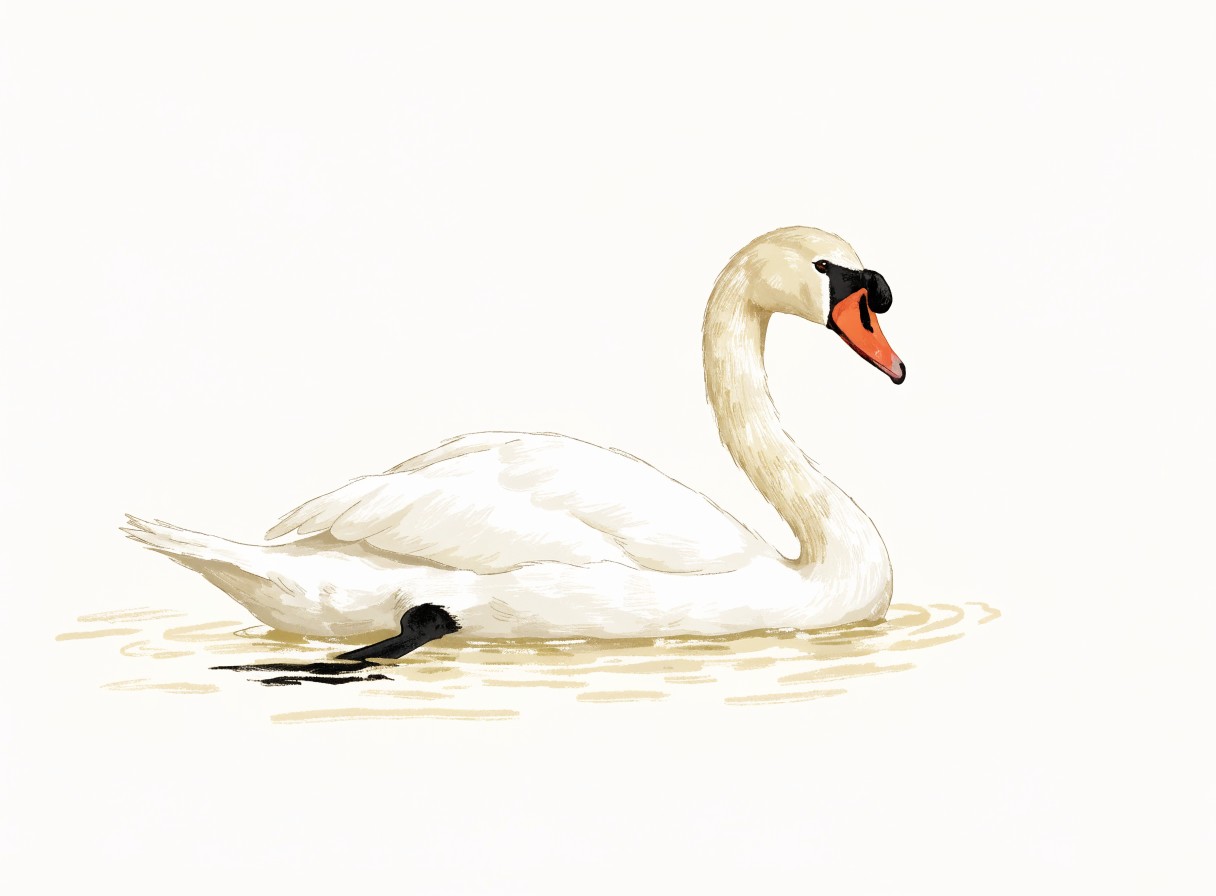
A permanent fixture on the lake — most years a pair raises cygnets right here. See more photos →
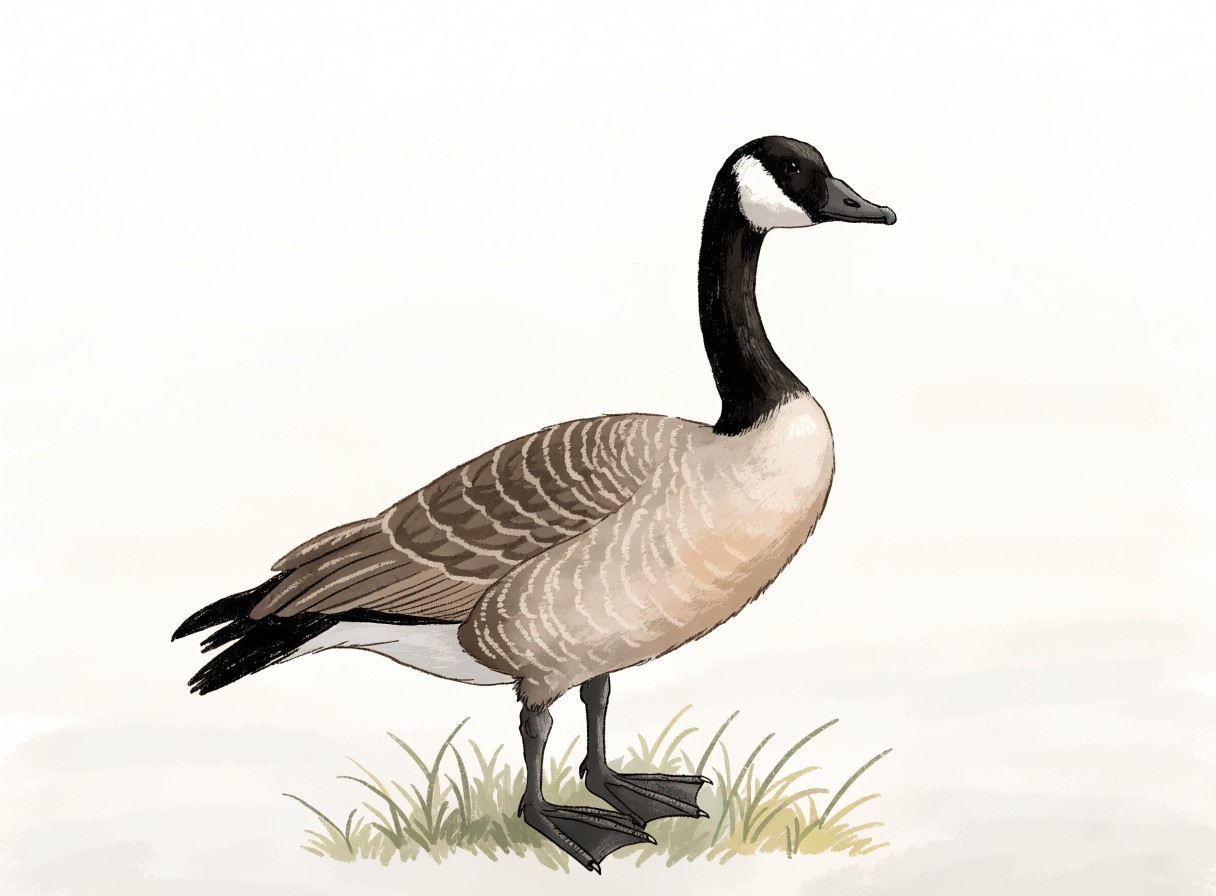
Hard to miss on the grassy banks, with a honk that carries right across the park. See more photos →
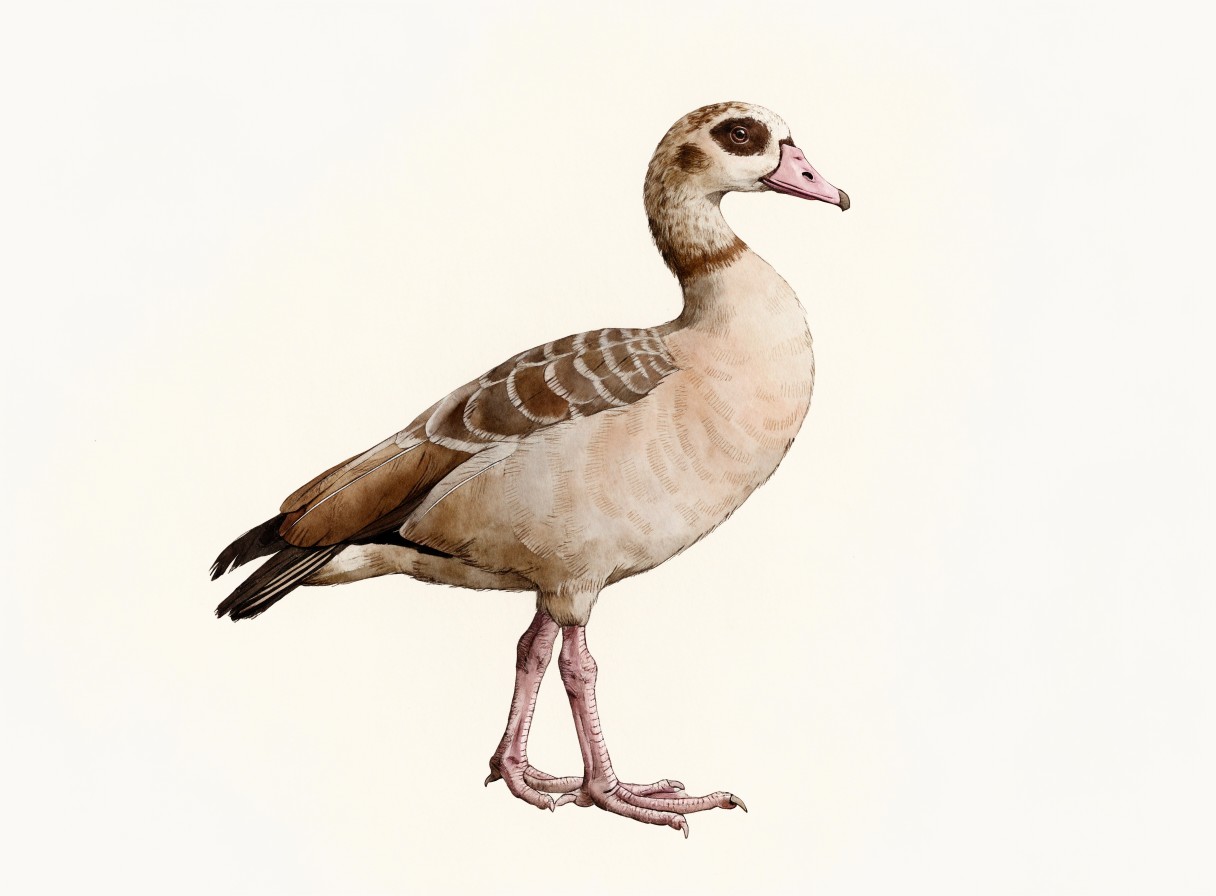
Look for the brown patches around its eyes — its call is just as distinctive. See more photos →
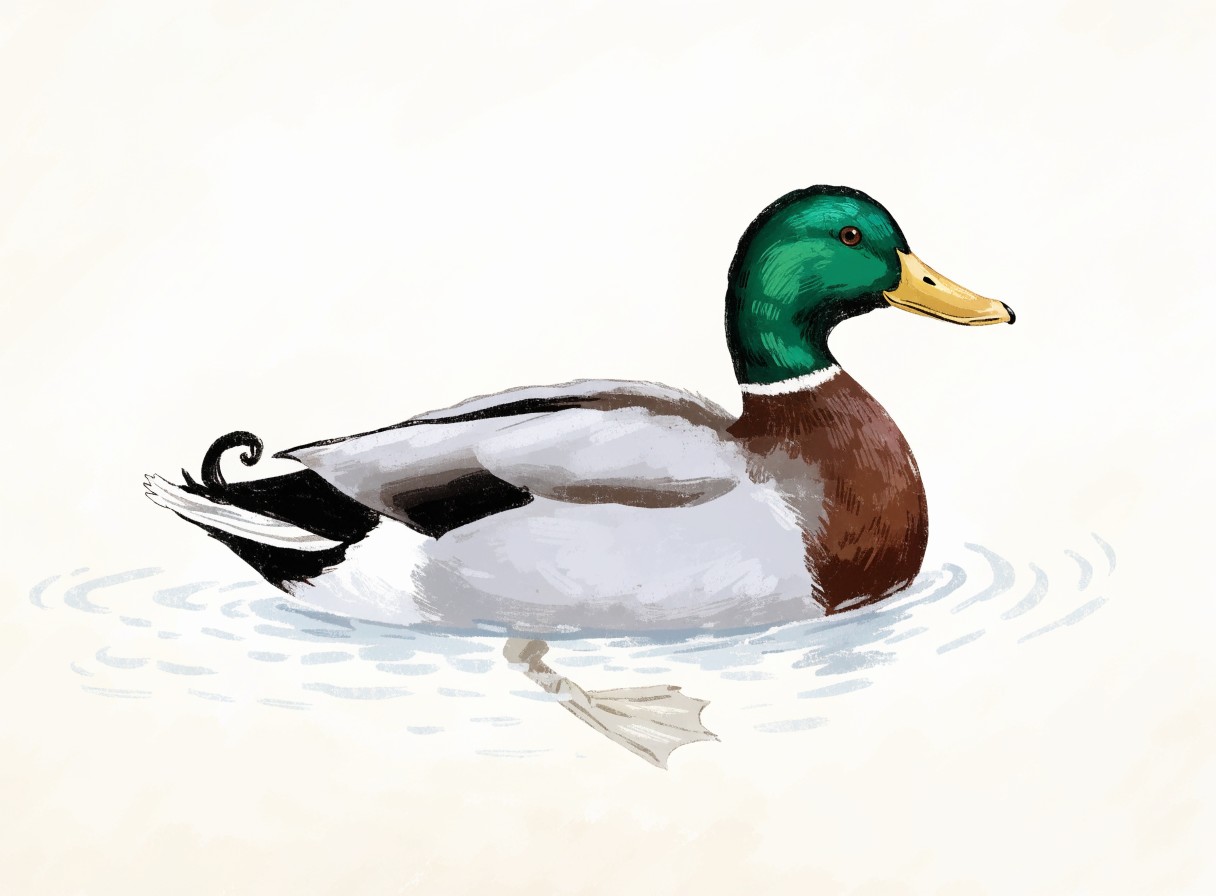
The most common duck on the water — males have a glossy green head. See more photos →
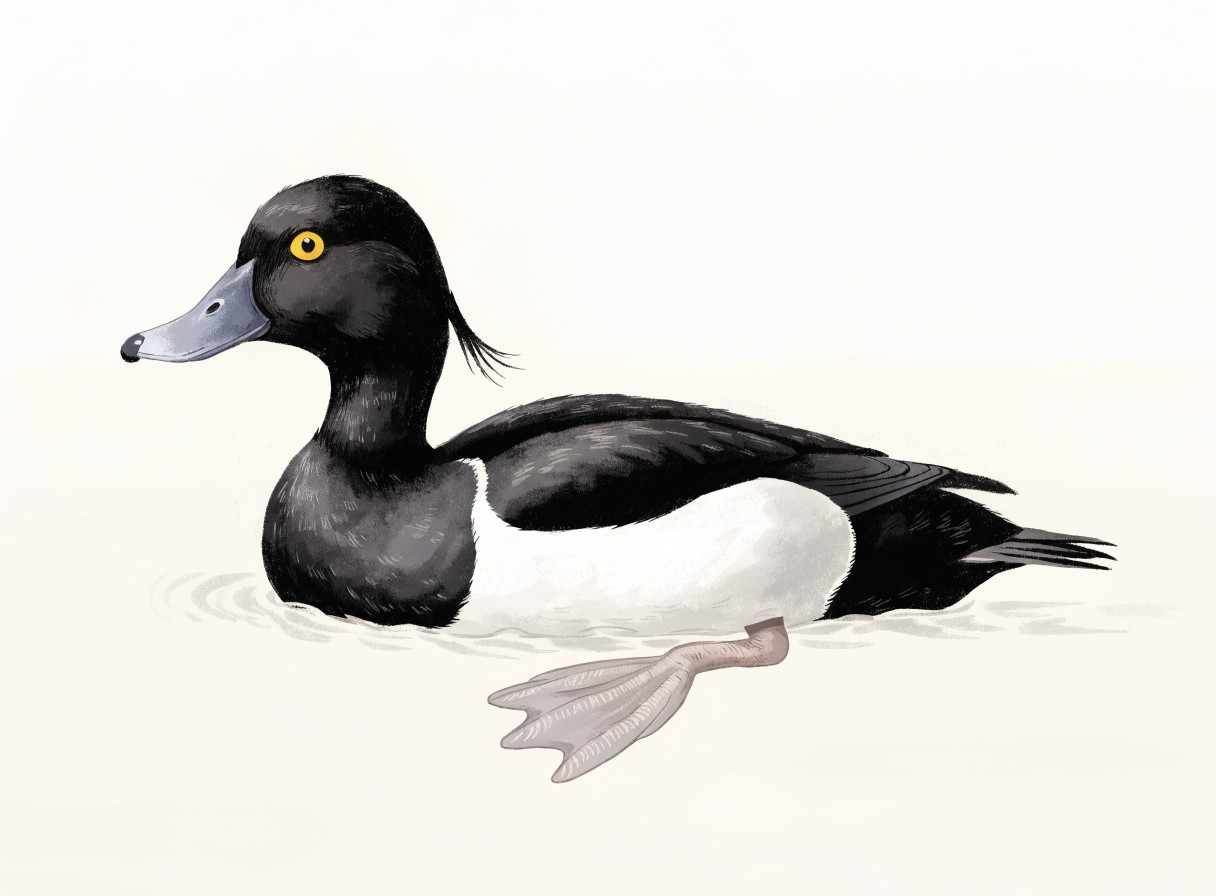
A small diving duck in smart black and white, with a little tuft on its head. See more photos →
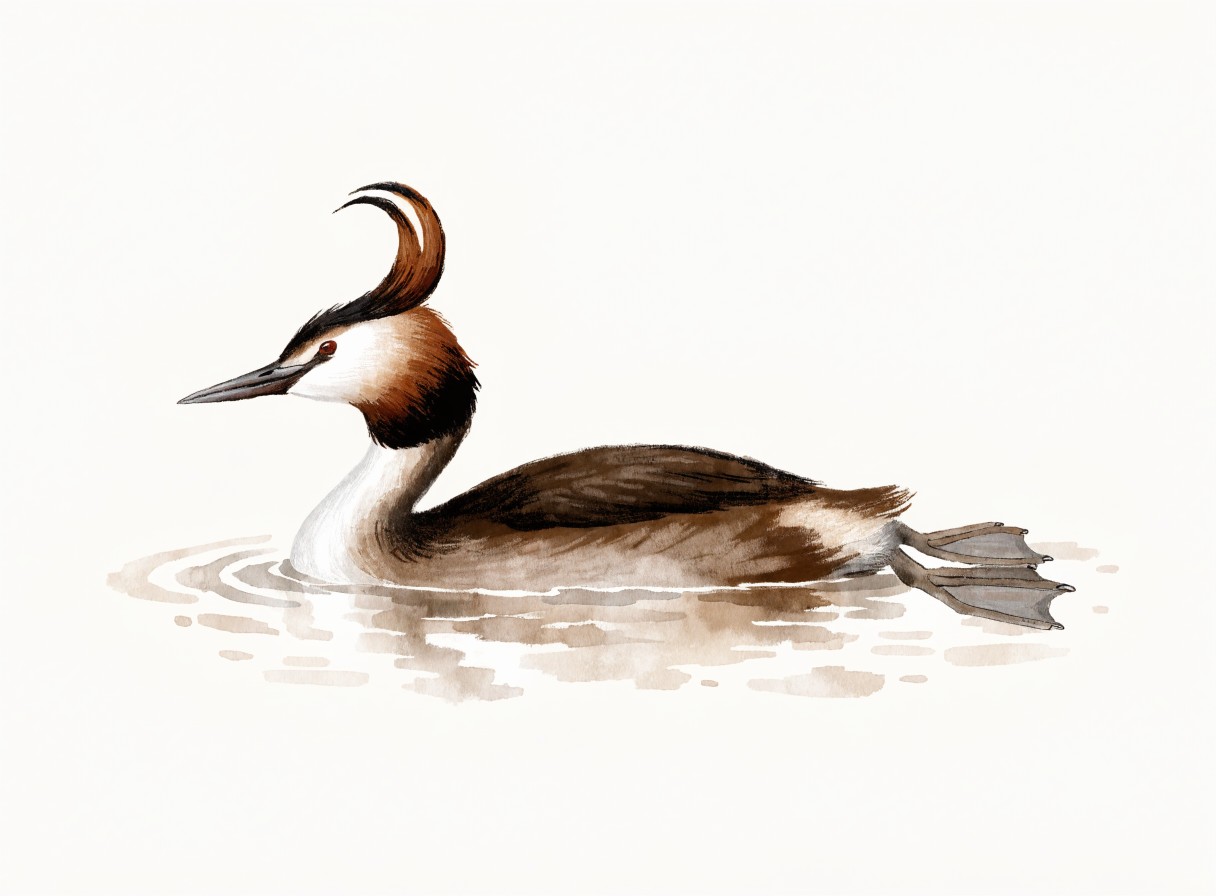
Watch for their elegant head-shaking courtship dance on the main lake. See more photos →
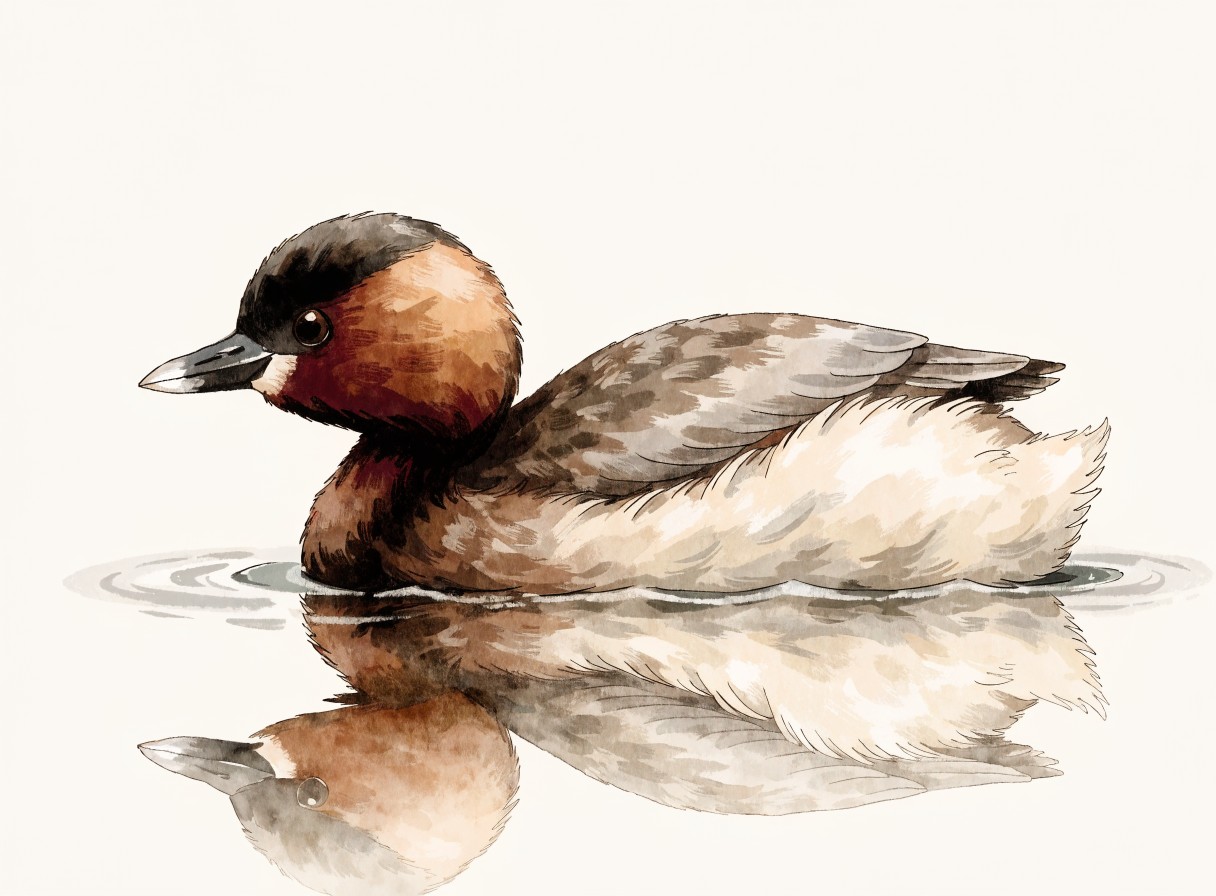
Small, shy, and quick to dive — blink and you'll miss it going under. See more photos →
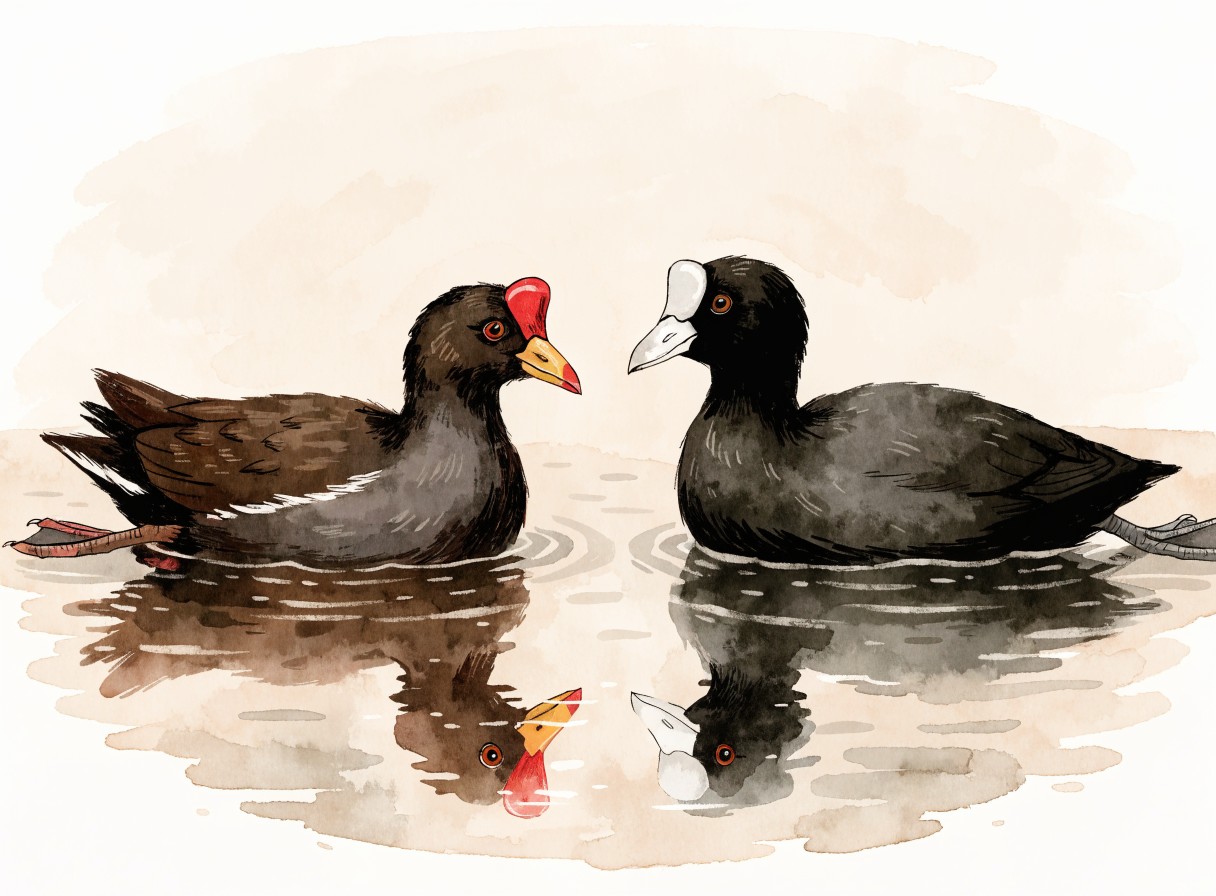
Both forage along the reedy edges and lily pads — the coot has a white beak, the moorhen a red one. See more photos →
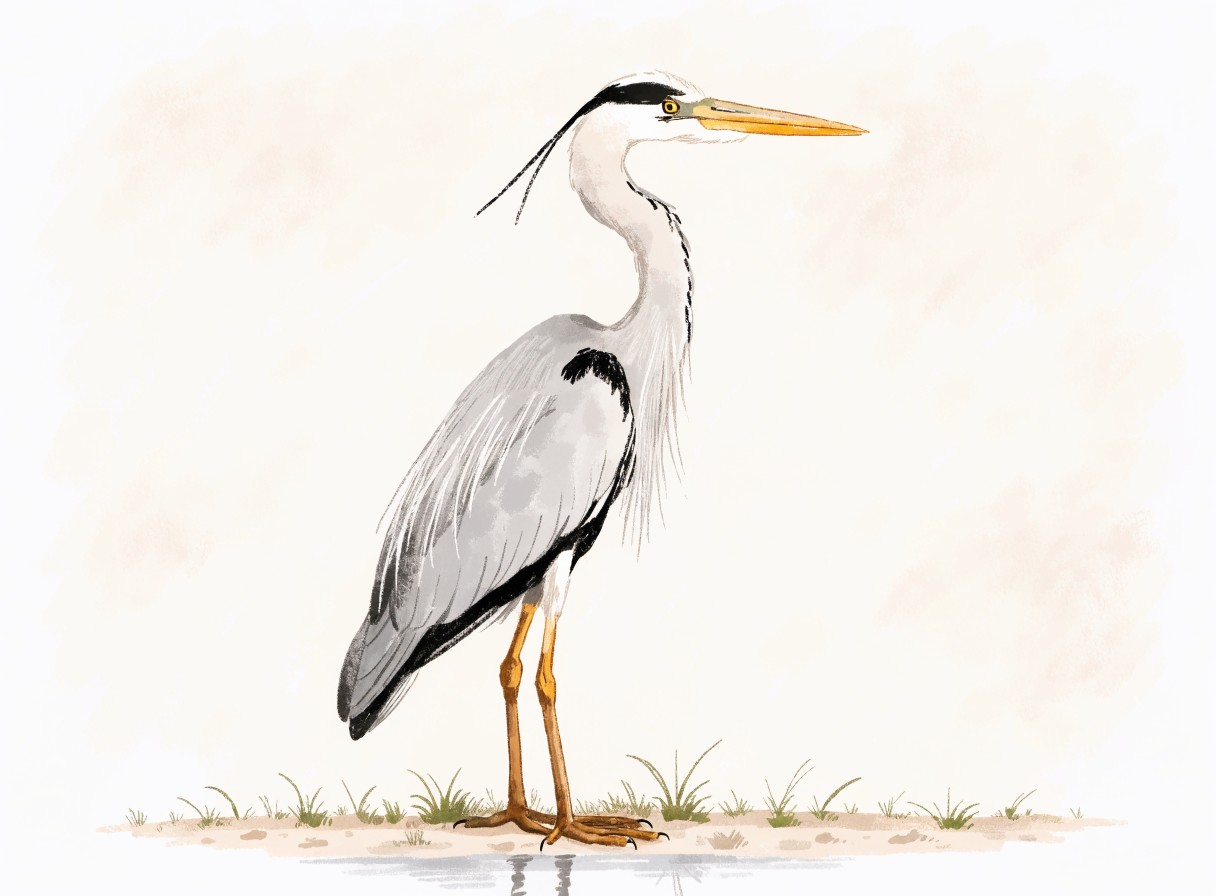
A patient hunter that stands dead still at the water's edge, waiting for fish. See more photos →
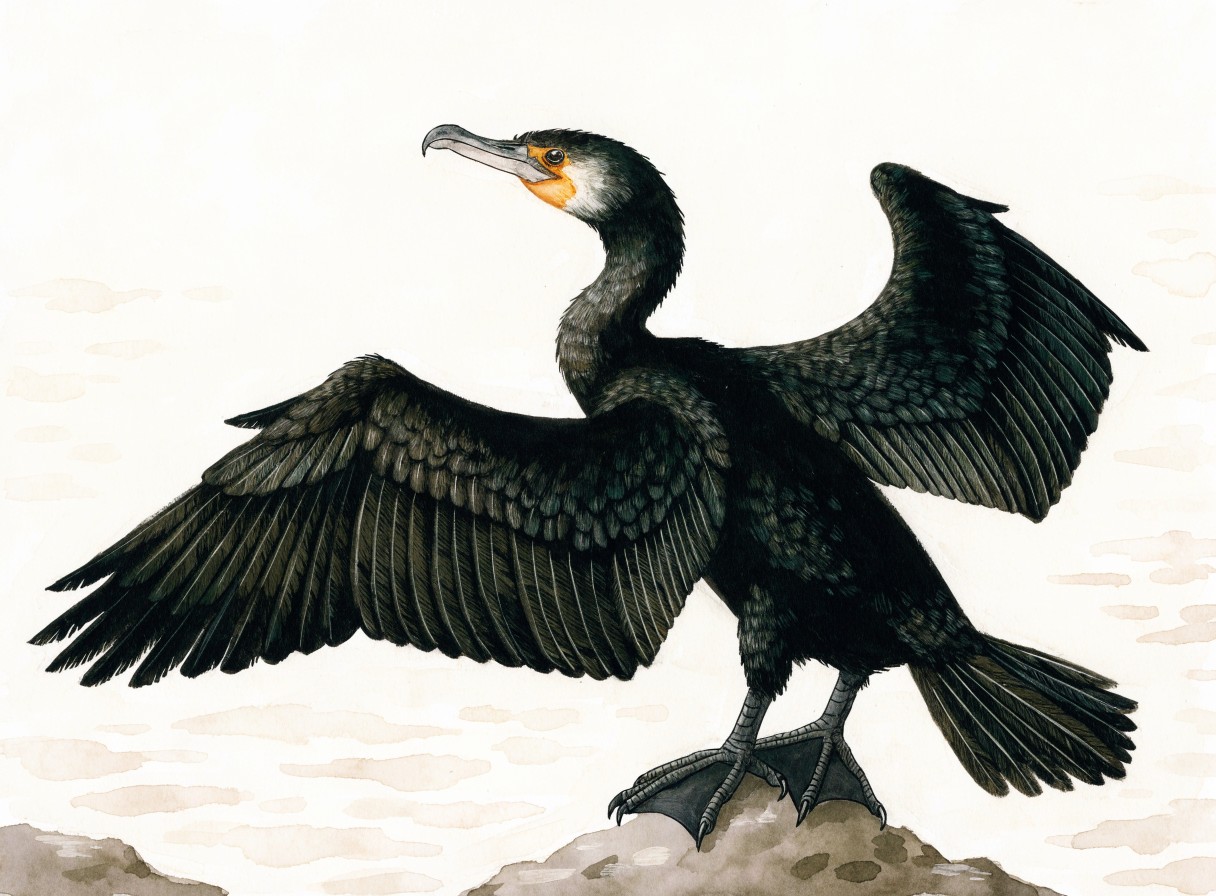
Often seen perched with wings held open, drying off after a dive. See more photos →
Other birds
Keep your ears open as much as your eyes on the walk around the park.
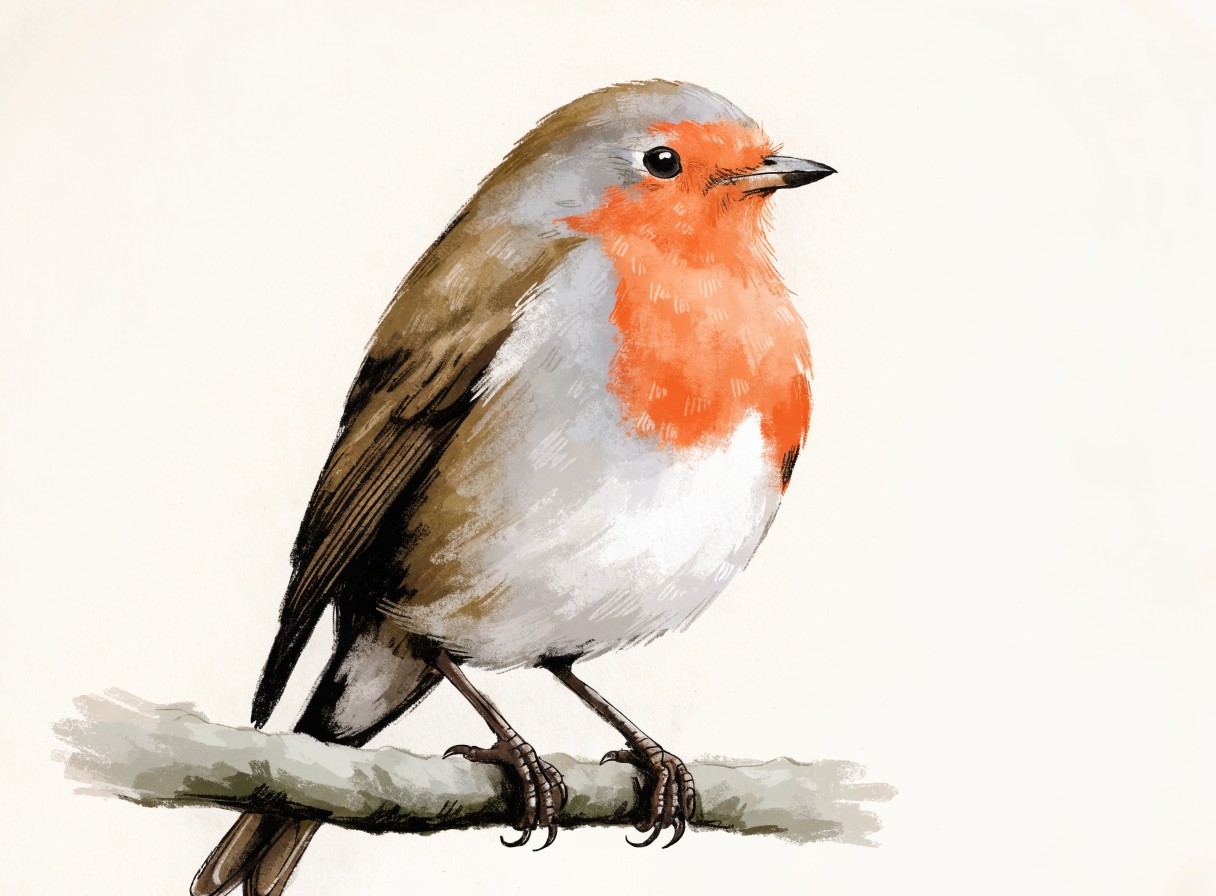
One of the most familiar garden birds — that red breast means it's never far from company. See more photos →
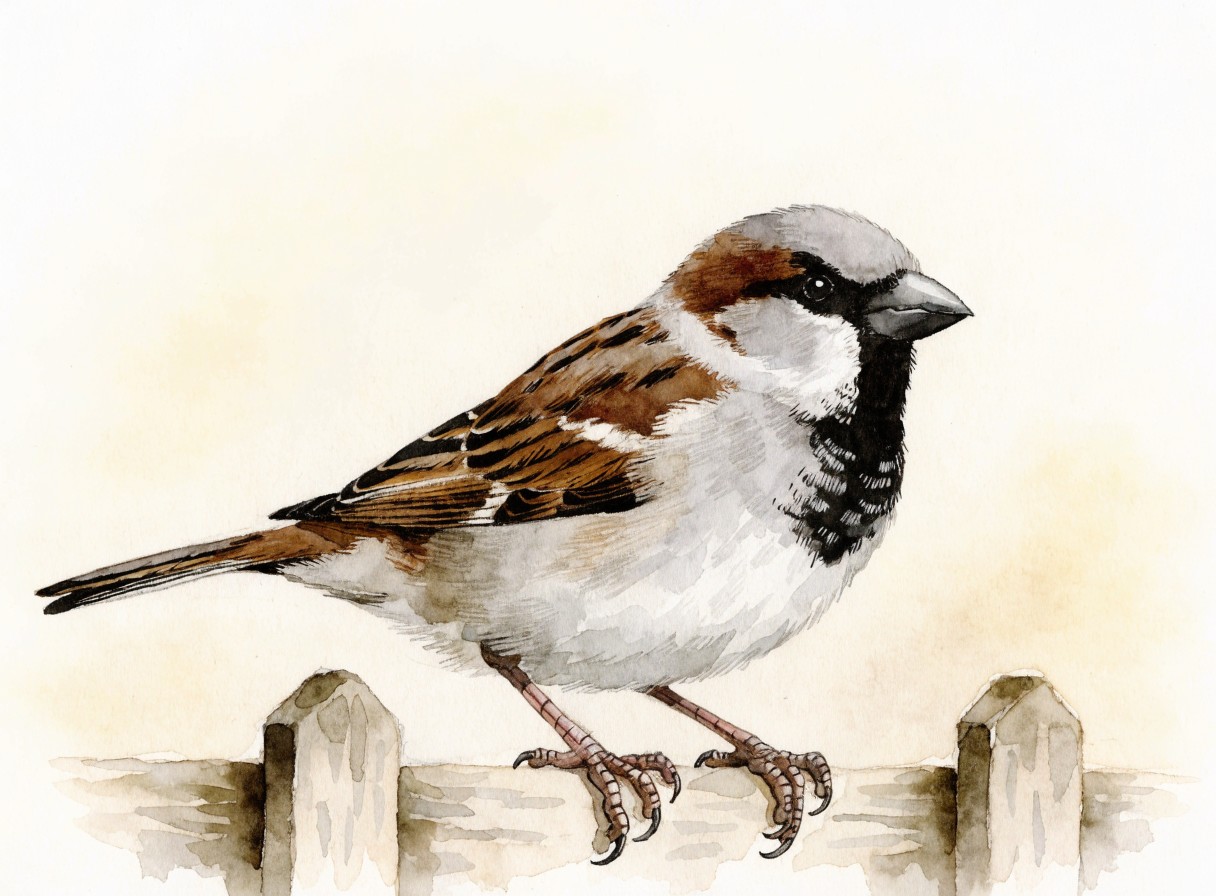
A noisy, sociable regular around the park's edges and hedgerows. See more photos →
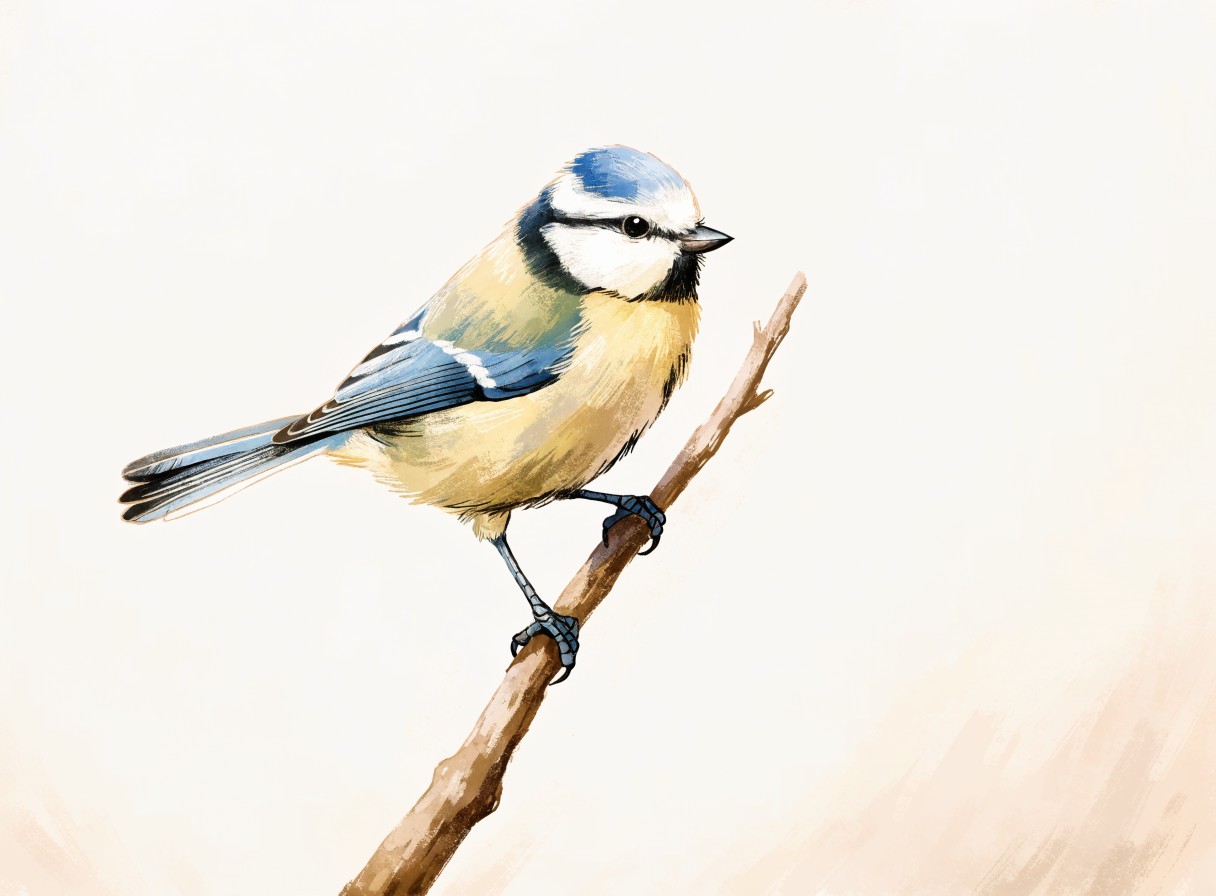
Small, quick, and acrobatic — often seen hanging upside down on branches. See more photos →
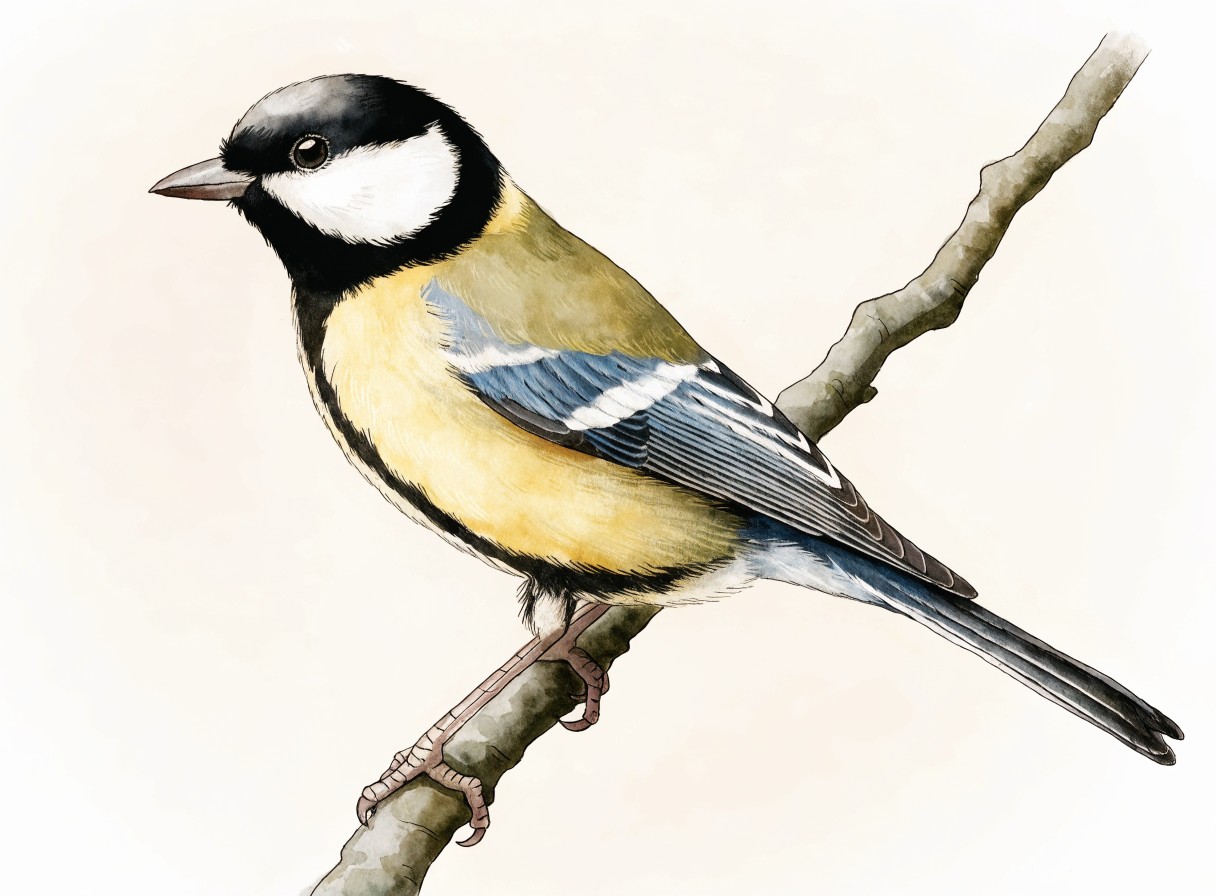
Larger and bolder than the Blue Tit, with a bold black stripe down its yellow chest. See more photos →
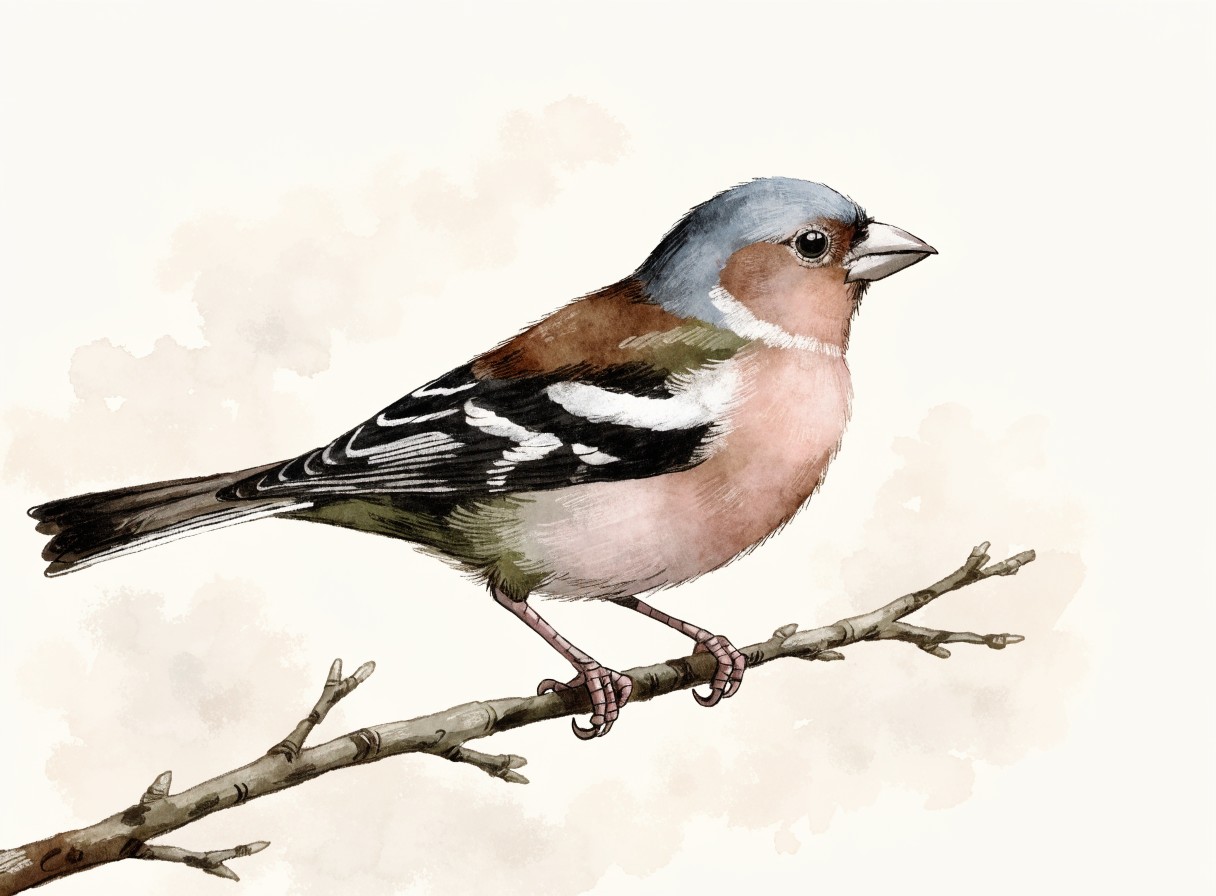
One of the commonest finches — listen for its bright, cheerful song. See more photos →
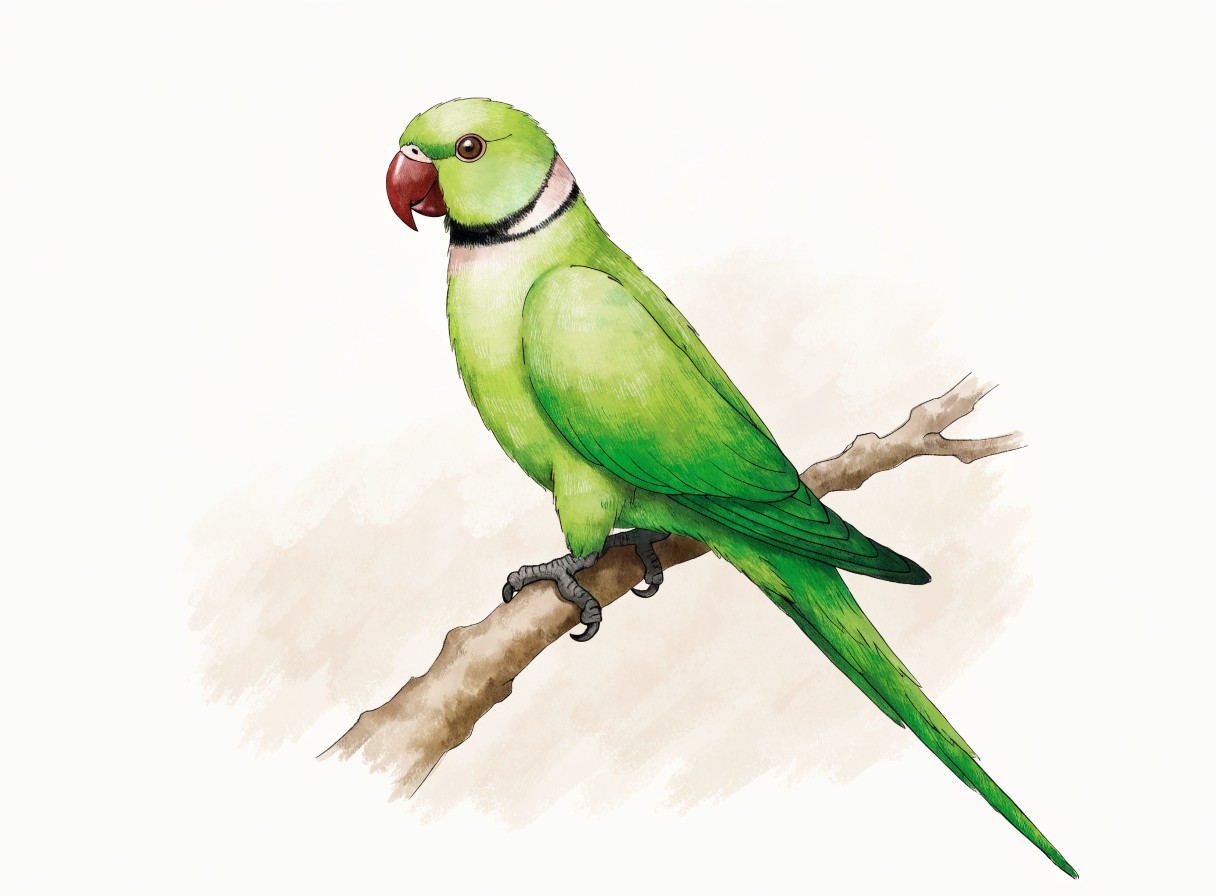
Loud, bright green, and hard to miss — nests in old tree hollows. See more photos →
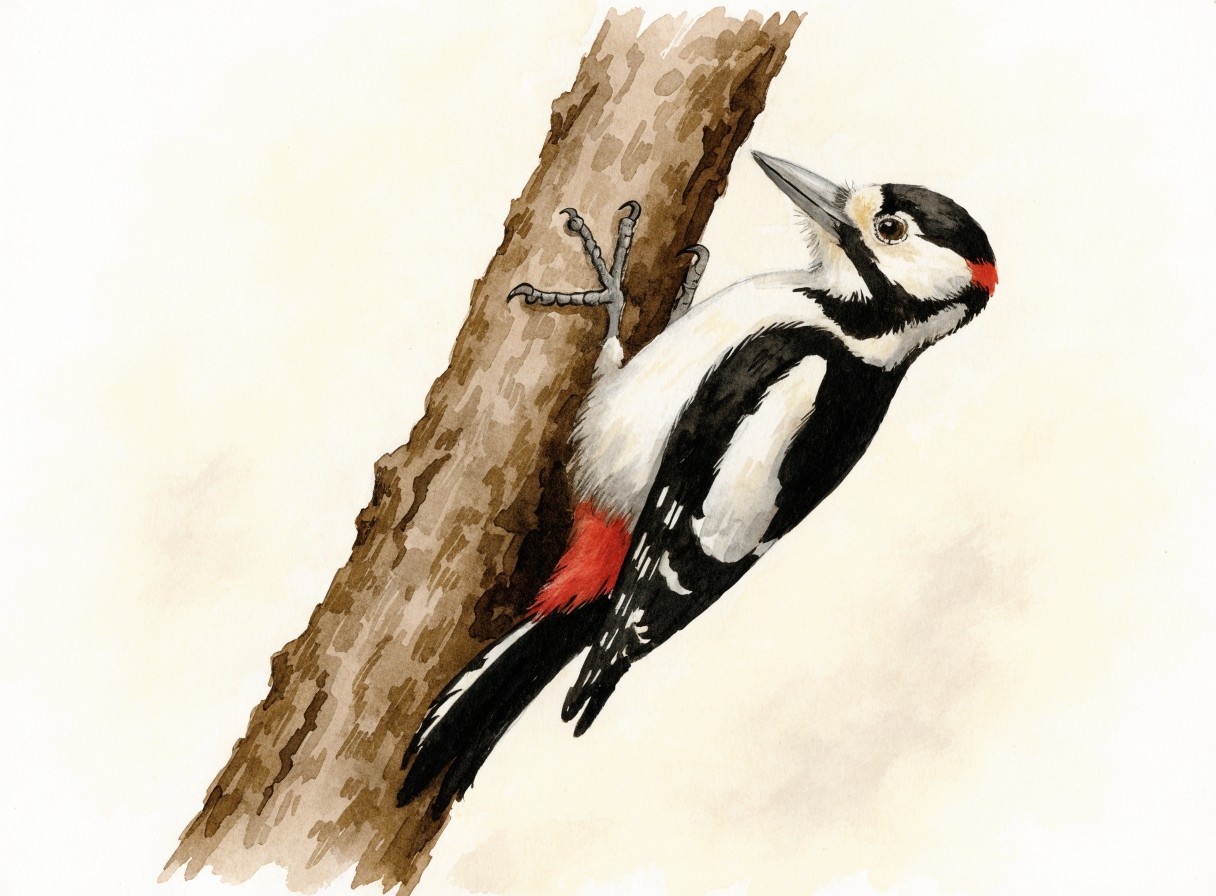
Listen for its drumming on tree bark — you'll often hear it before you see it. See more photos →
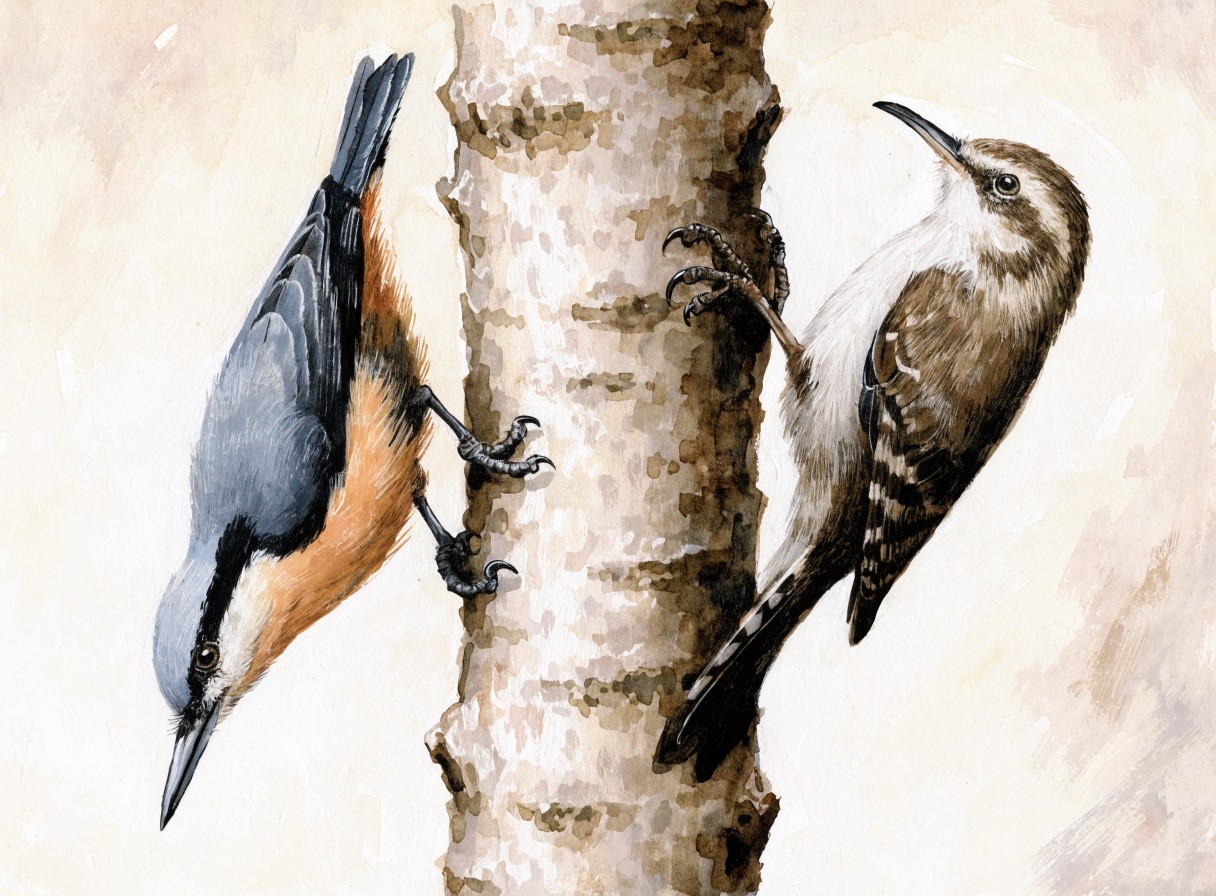
Watch tree trunks closely — both climb up and down them looking for insects. See more photos →
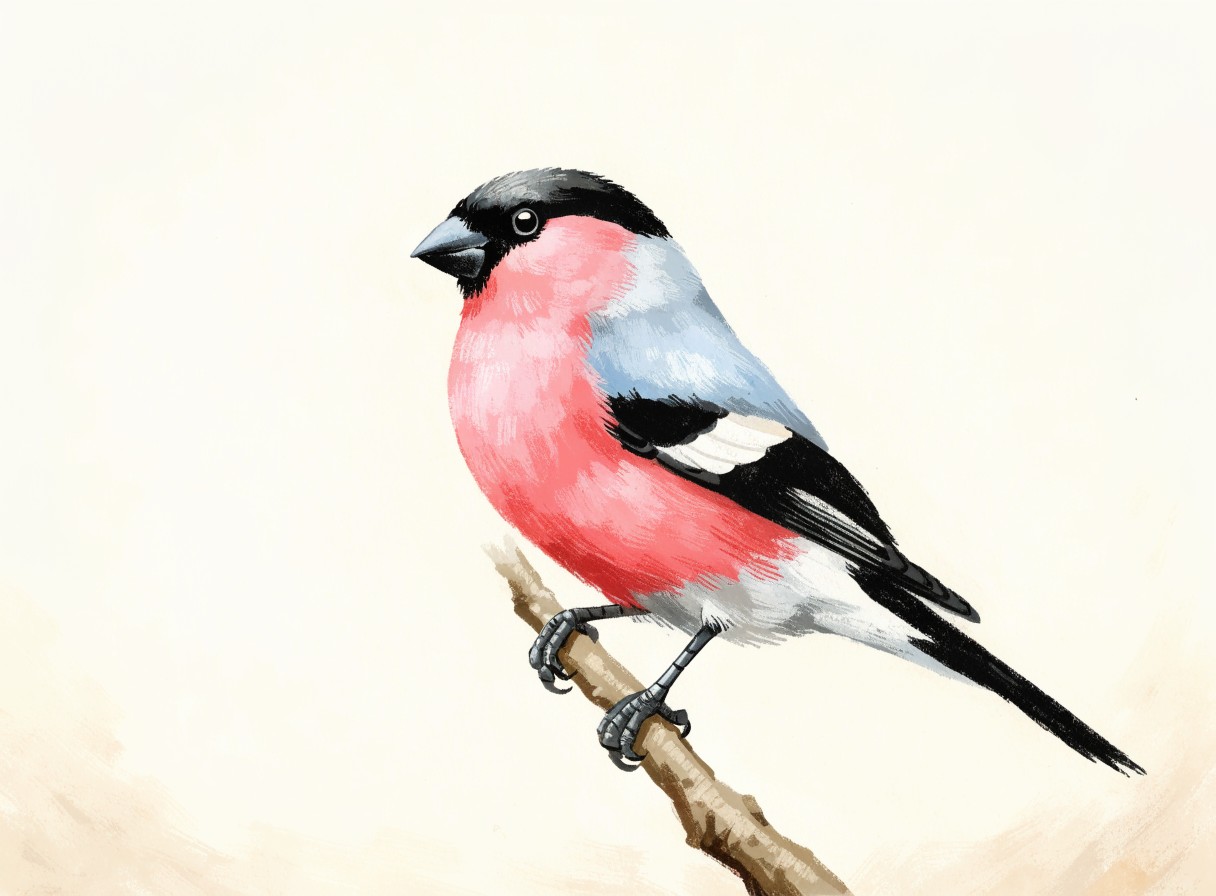
Shy and easy to miss, but the male's bright pink-red breast gives it away near thickets. See more photos →
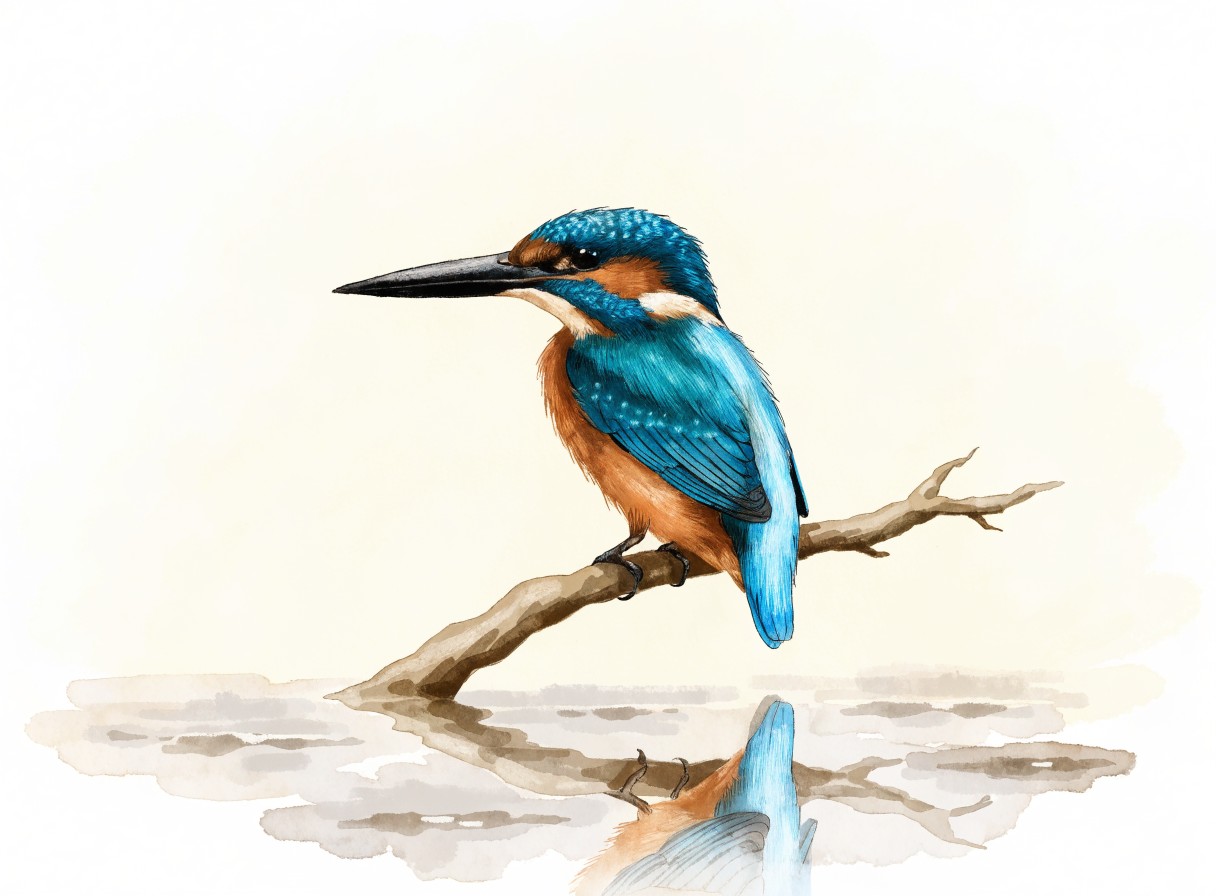
Keep your eyes on the Cran Brook — it's usually just a flash of electric blue. See more photos →
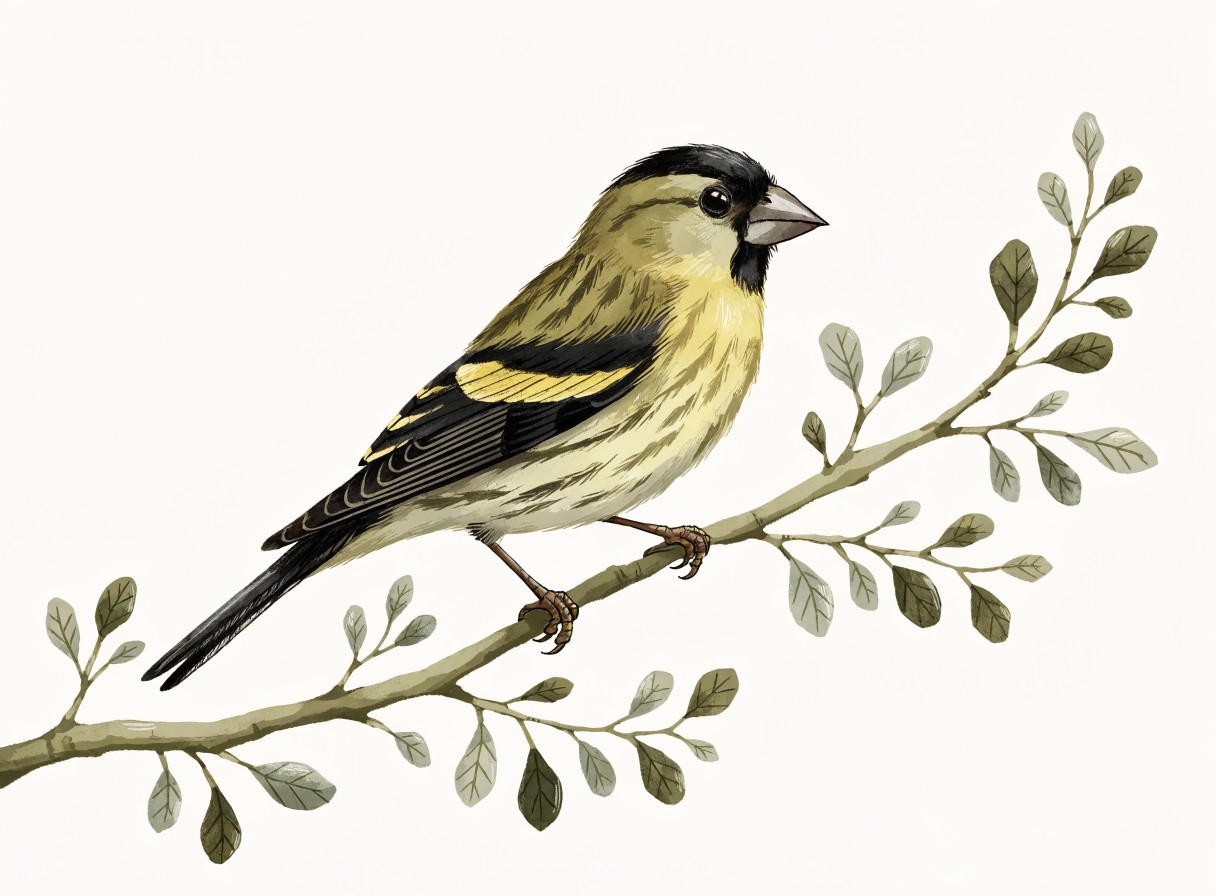
A small yellow-green finch that visits the alder trees in winter. See more photos →
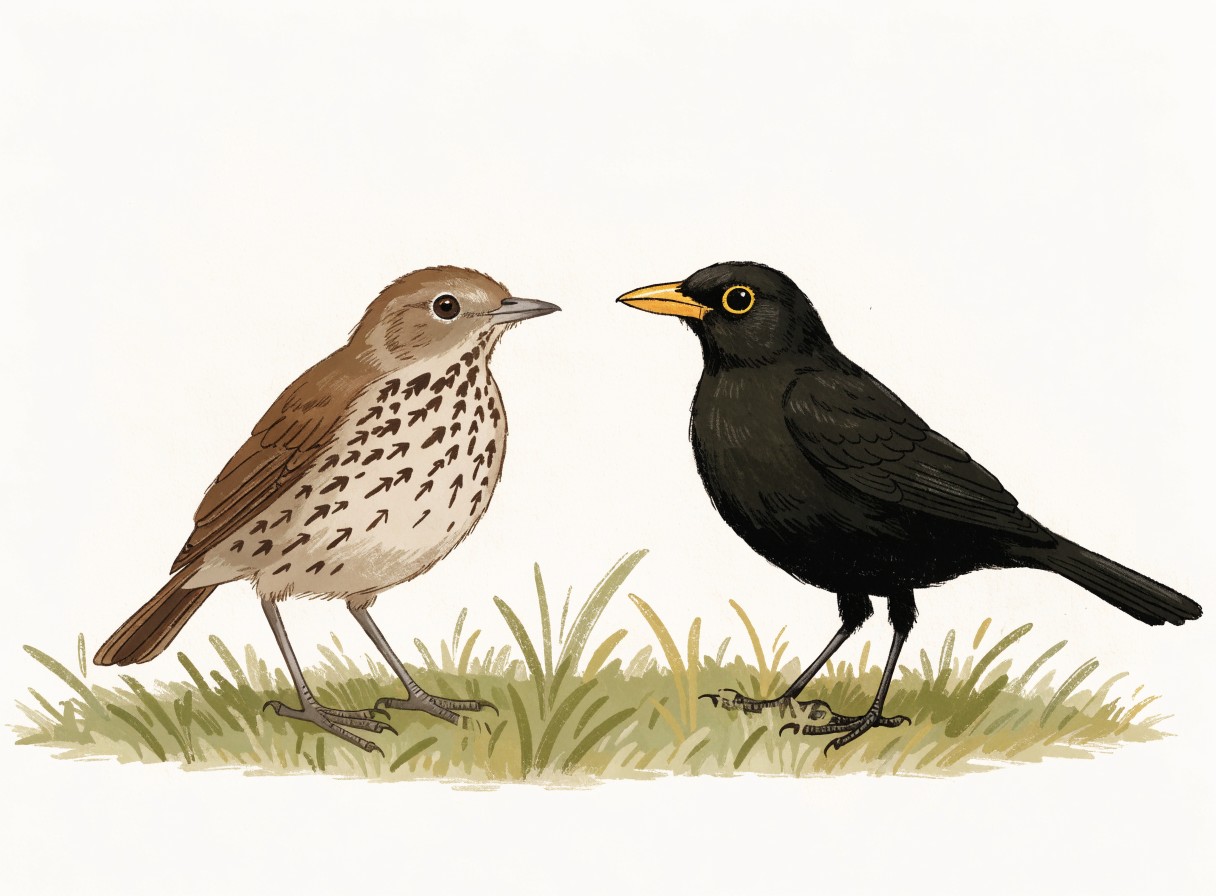
Common on the lawns, both spend a lot of time hopping and foraging on the ground. See more photos →
Small mammals
Trickier to spot — quiet feet and a bit of patience help.
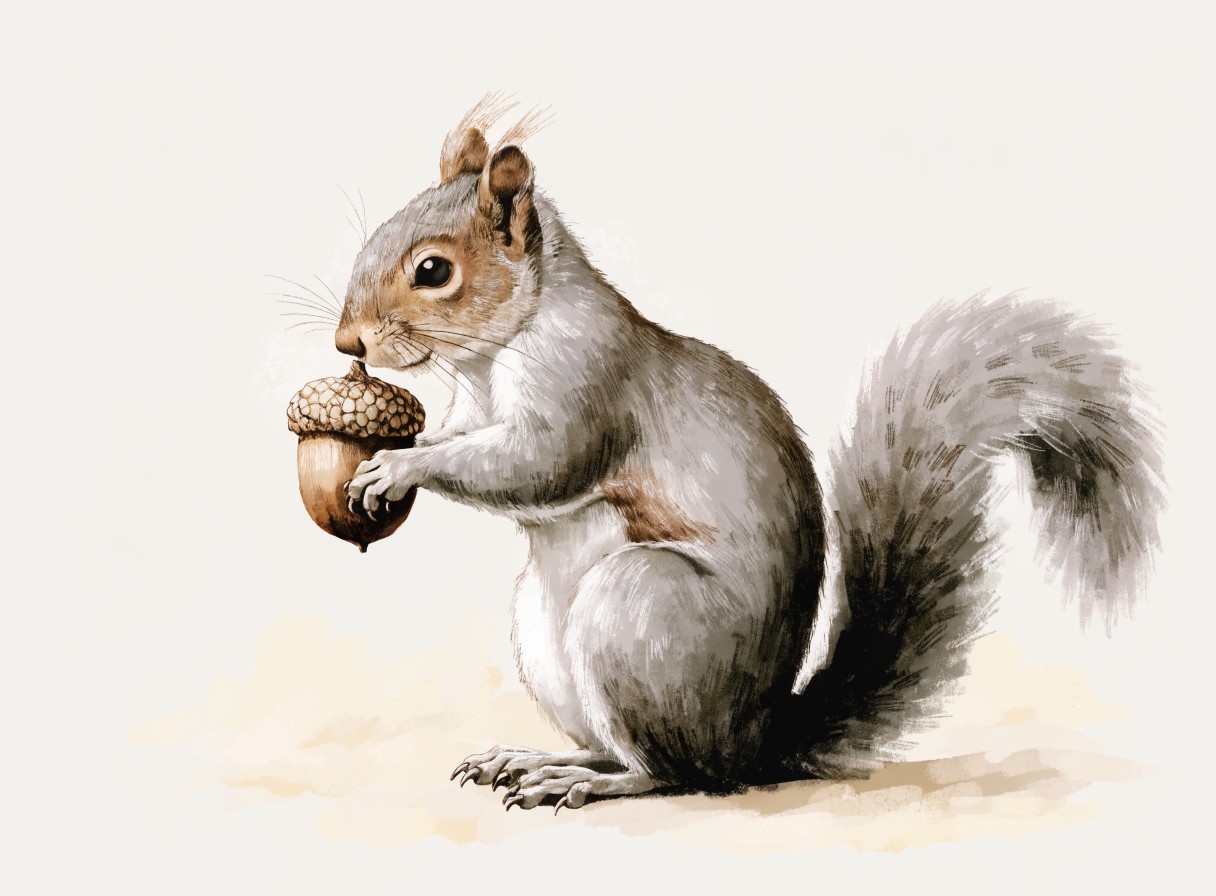
The park's boldest resident, found in every wooded corner and very used to people. See more photos →
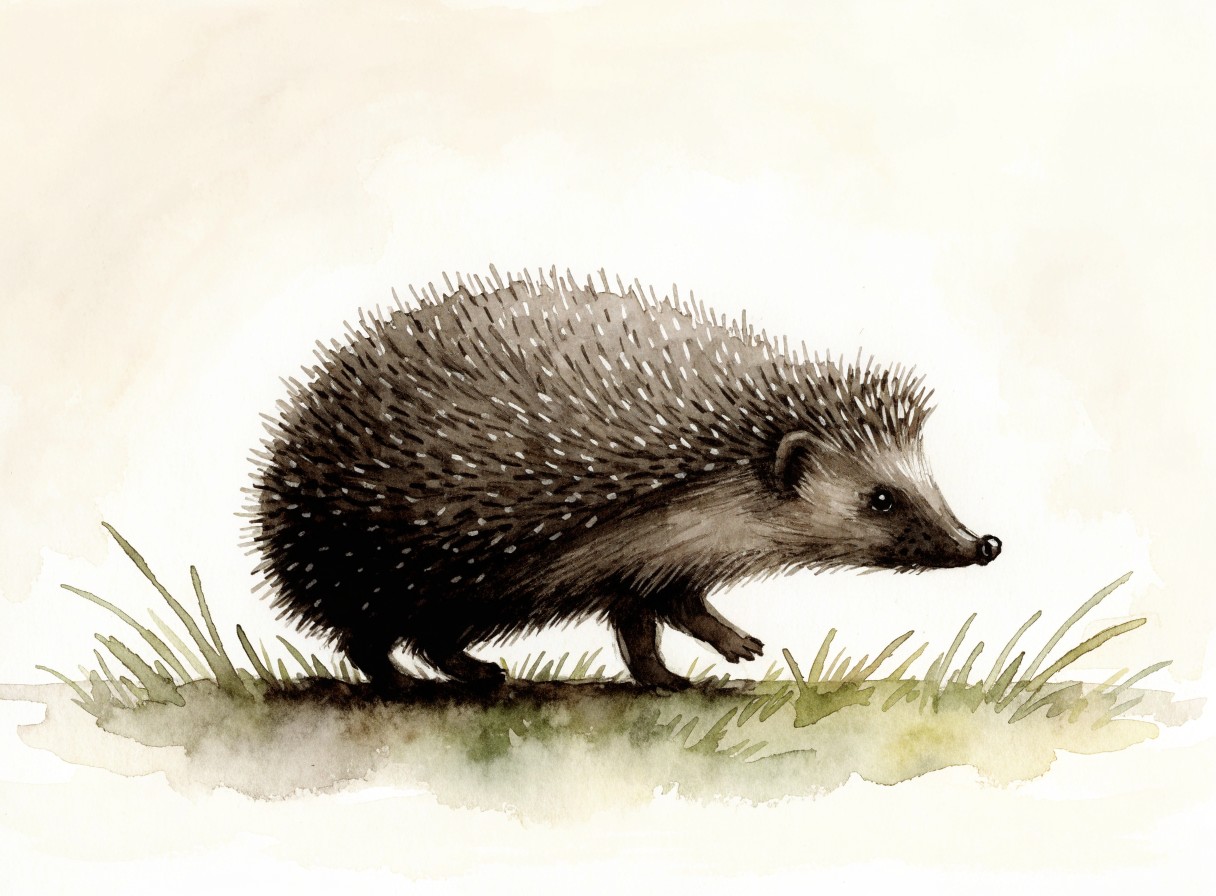
Look in the wildflower meadows, brambles, and quiet boundary edges — mostly at dusk. See more photos →
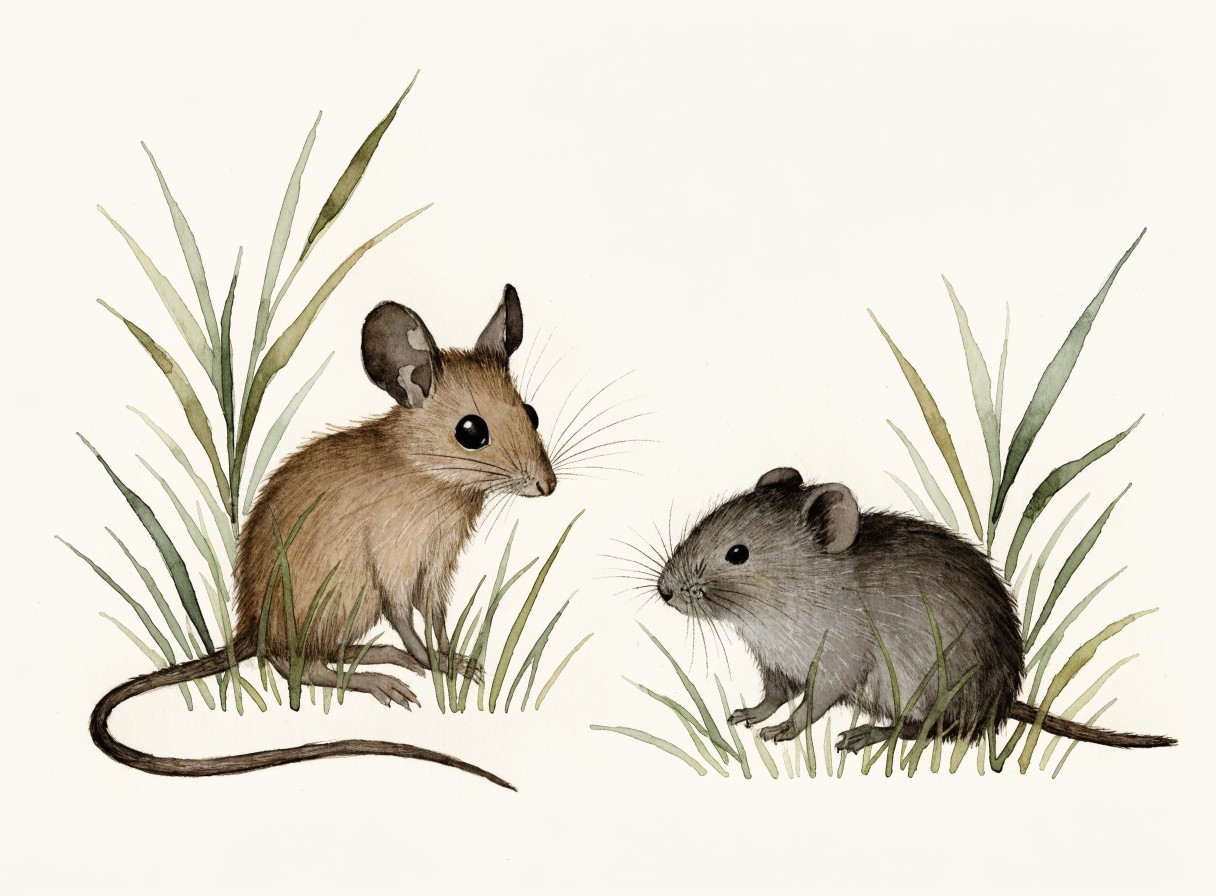
Small and quick, living in the long grass of the nature conservation areas. See more photos →
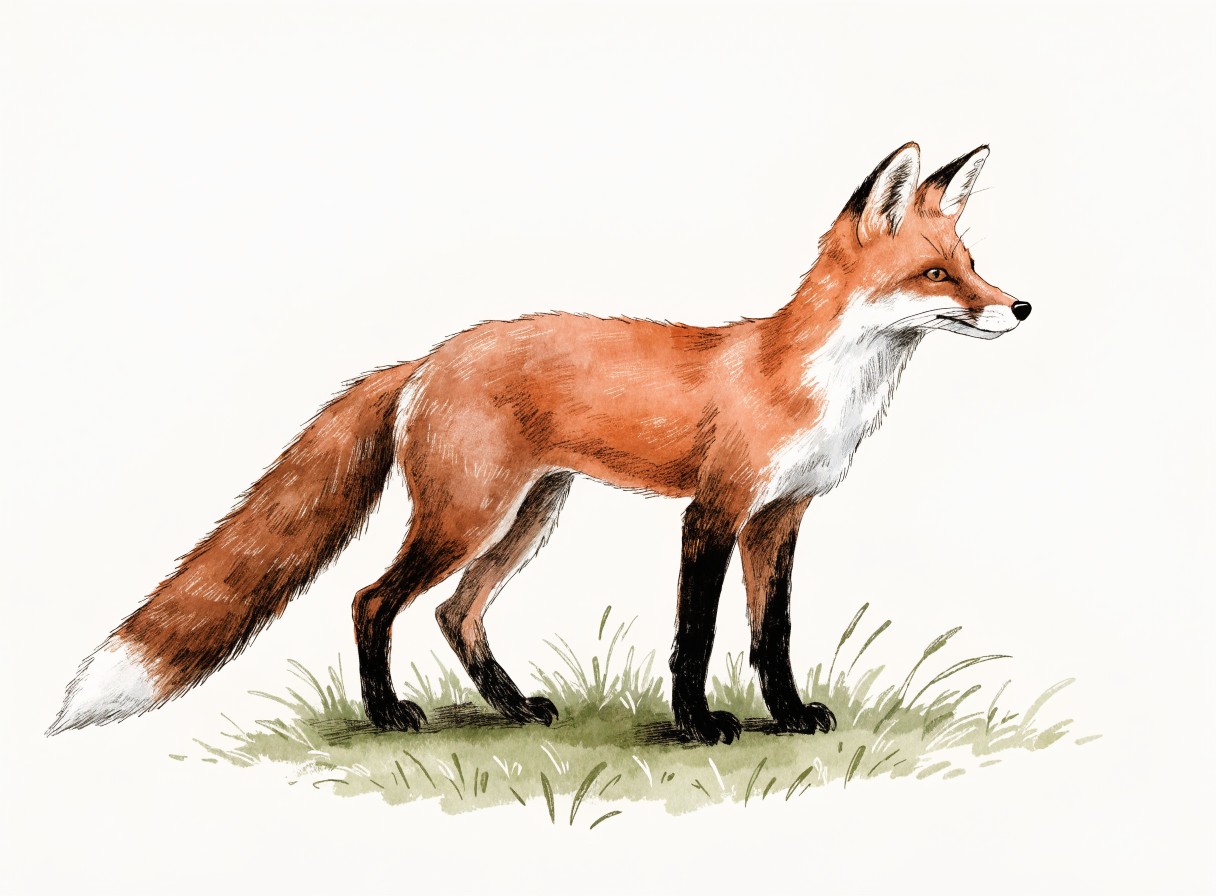
Active throughout the park, most often seen at dawn and dusk. See more photos →
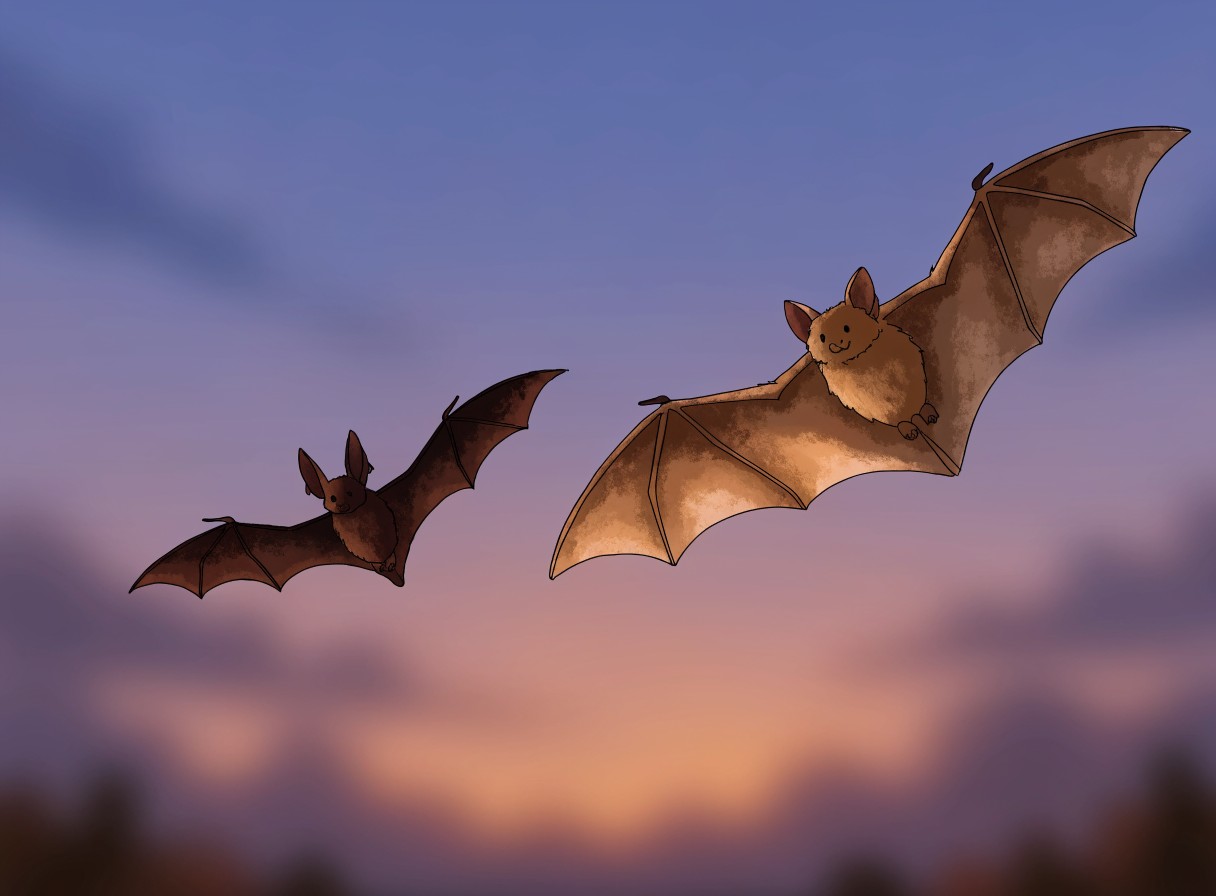
Hunting midges and moths low over the water at dusk — most children will already be home by then, but they're too good to leave off the list. See more photos →
Trees
Some of the park's oldest residents, a few of them centuries old.
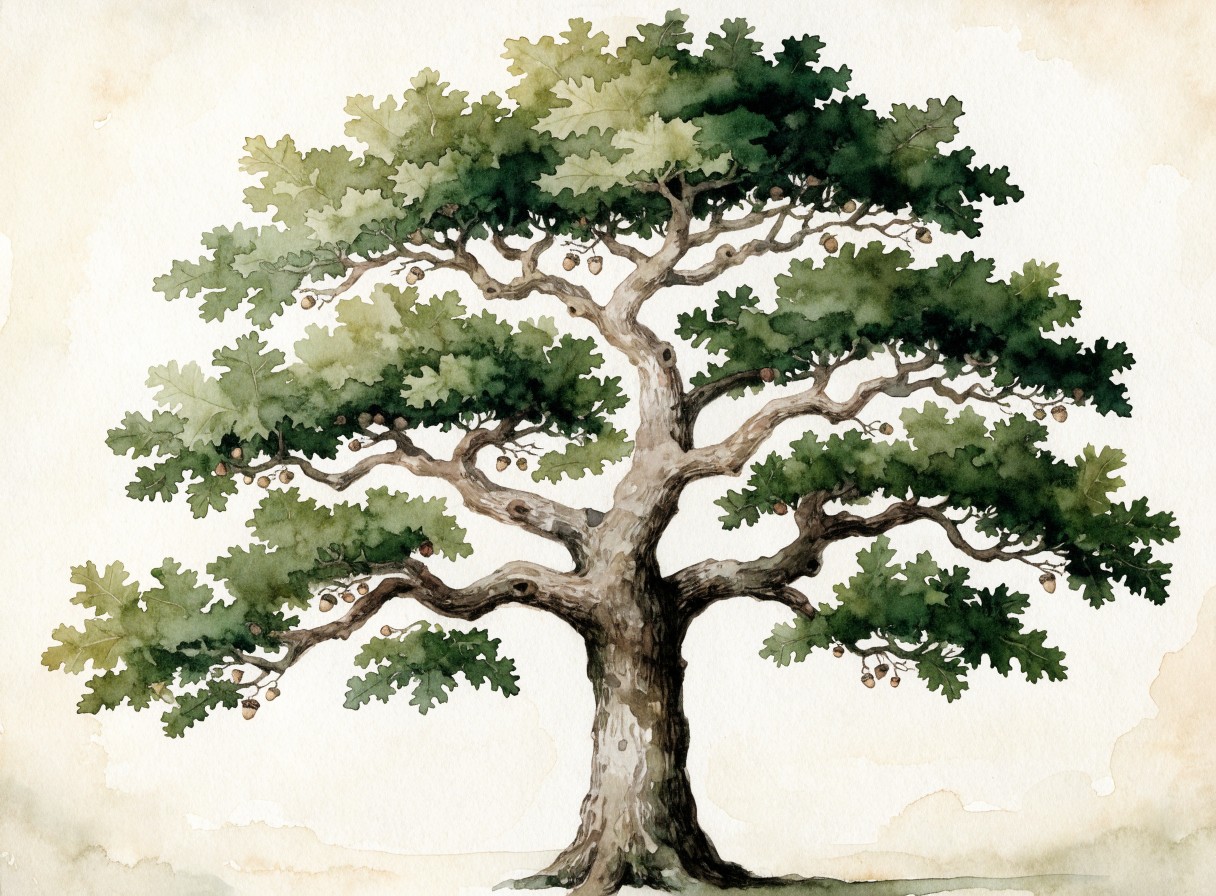
Some of the park's oaks are genuinely ancient, and support huge amounts of wildlife. See more photos →
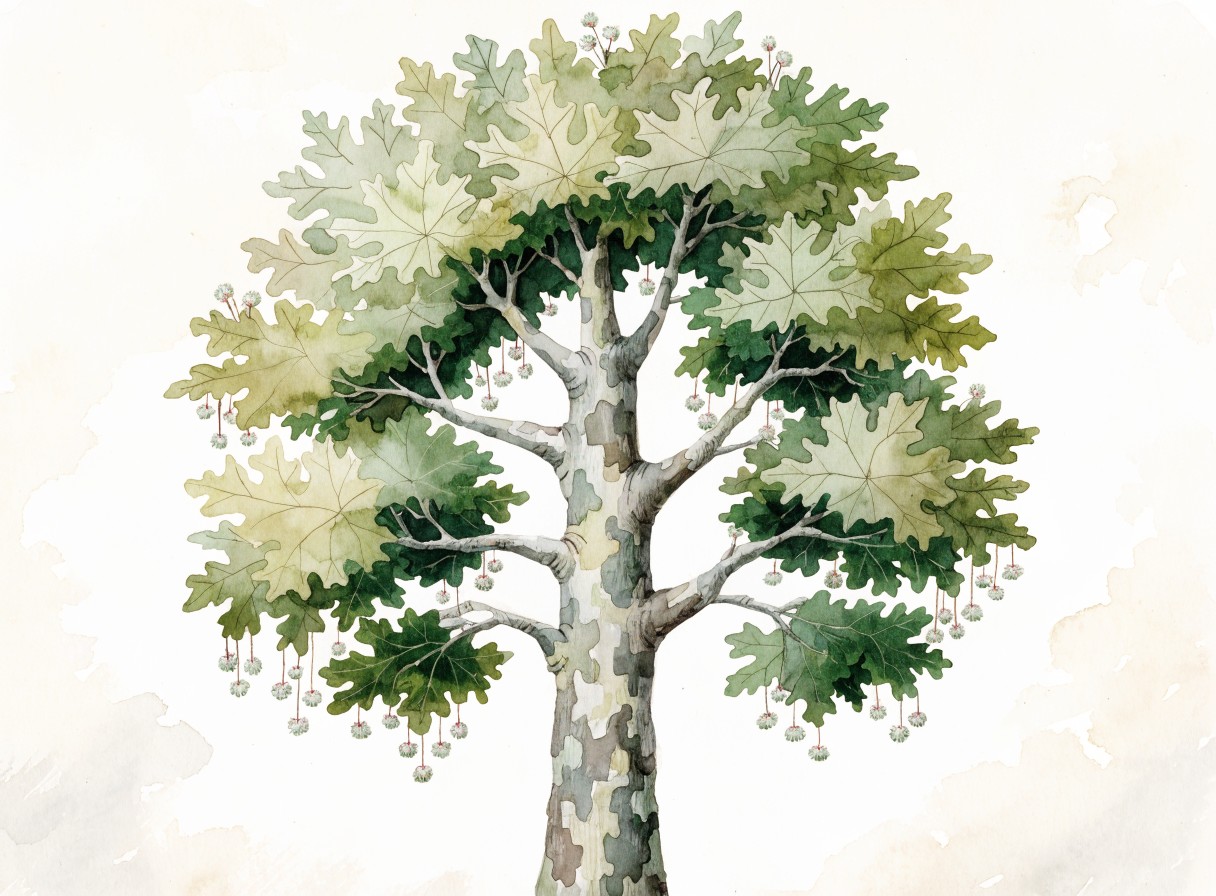
Tall and distinctive, lining the grand avenues and main walkways. See more photos →
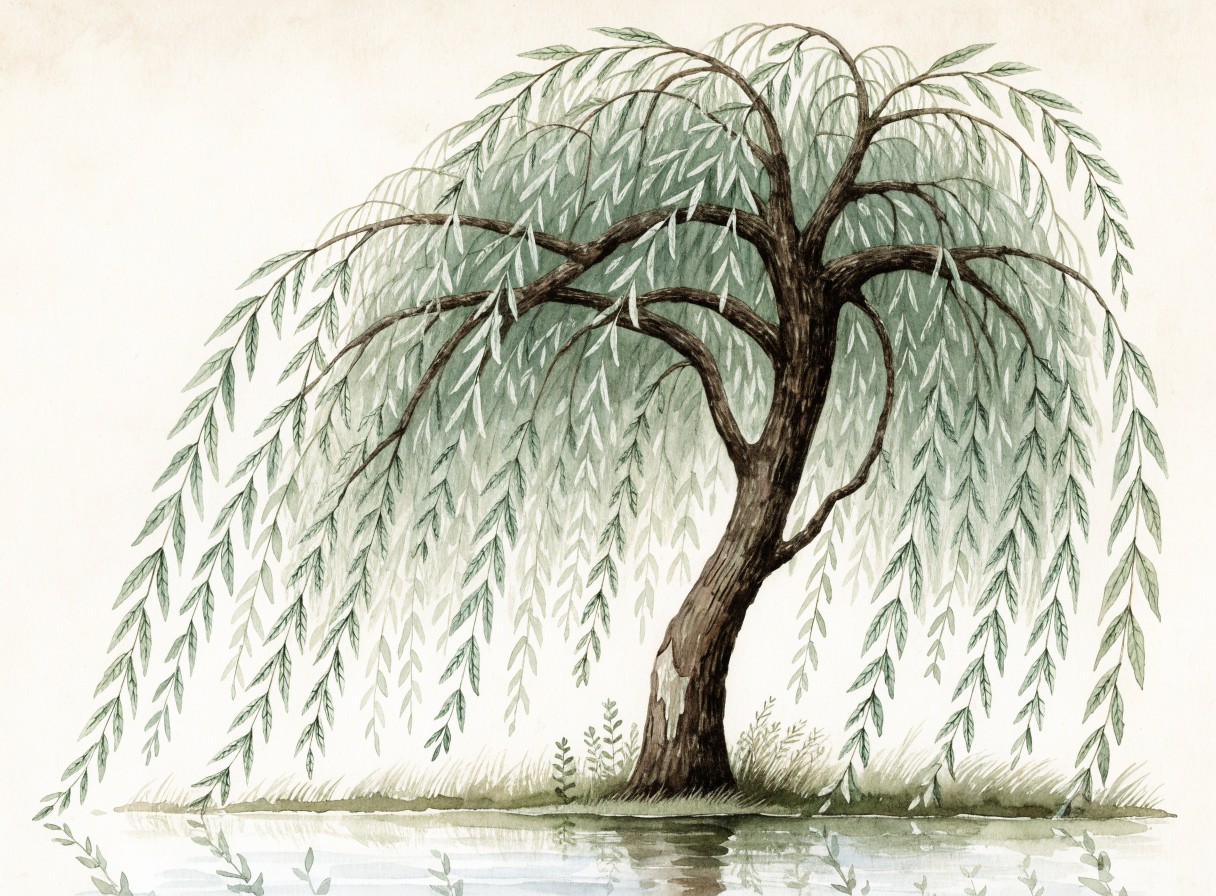
Drapes elegantly right over the edge of the boating lake. See more photos →
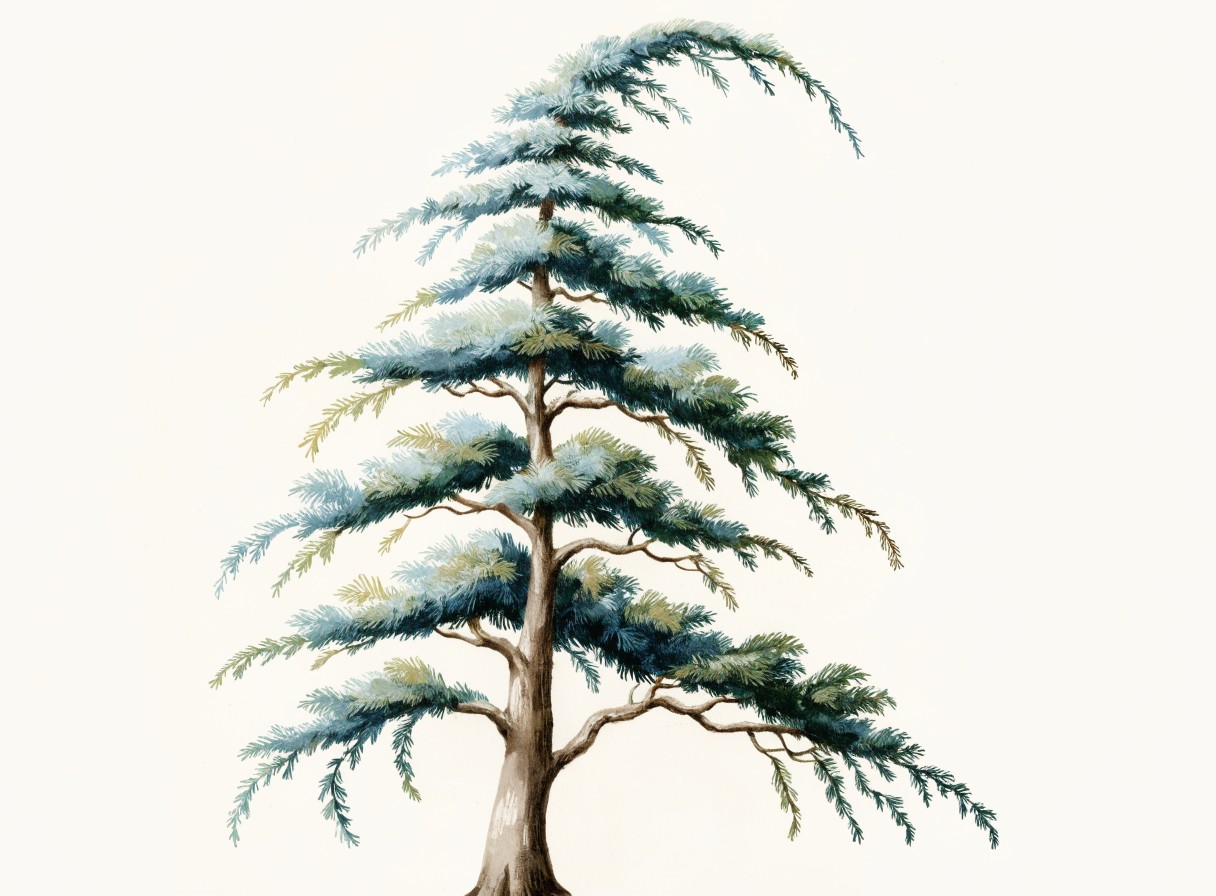
A large, historic evergreen conifer near the Valentines Mansion grounds. See more photos →
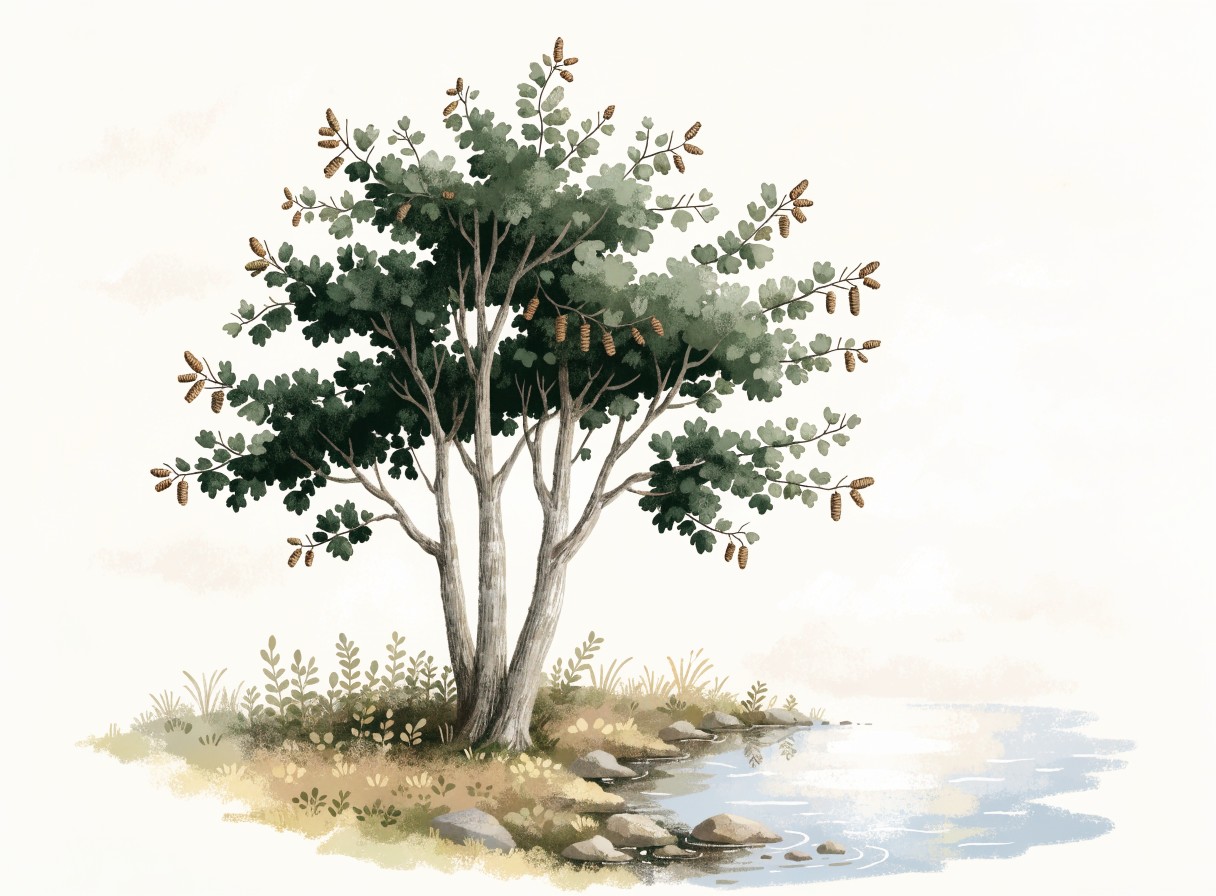
Thrives in the damp soil along the Cran Brook and the lake margins. See more photos →
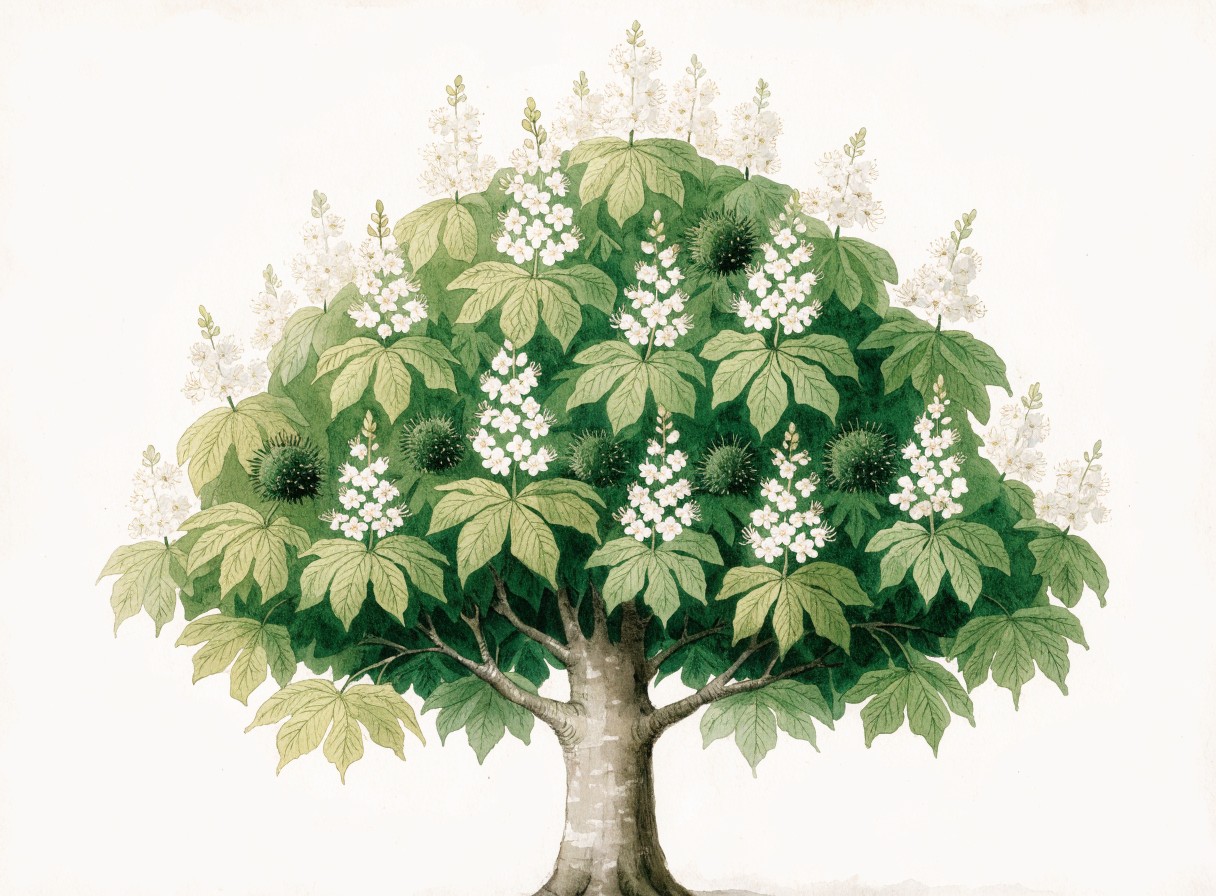
White flower spikes in spring, shiny conkers by autumn — a playground classic. See more photos →
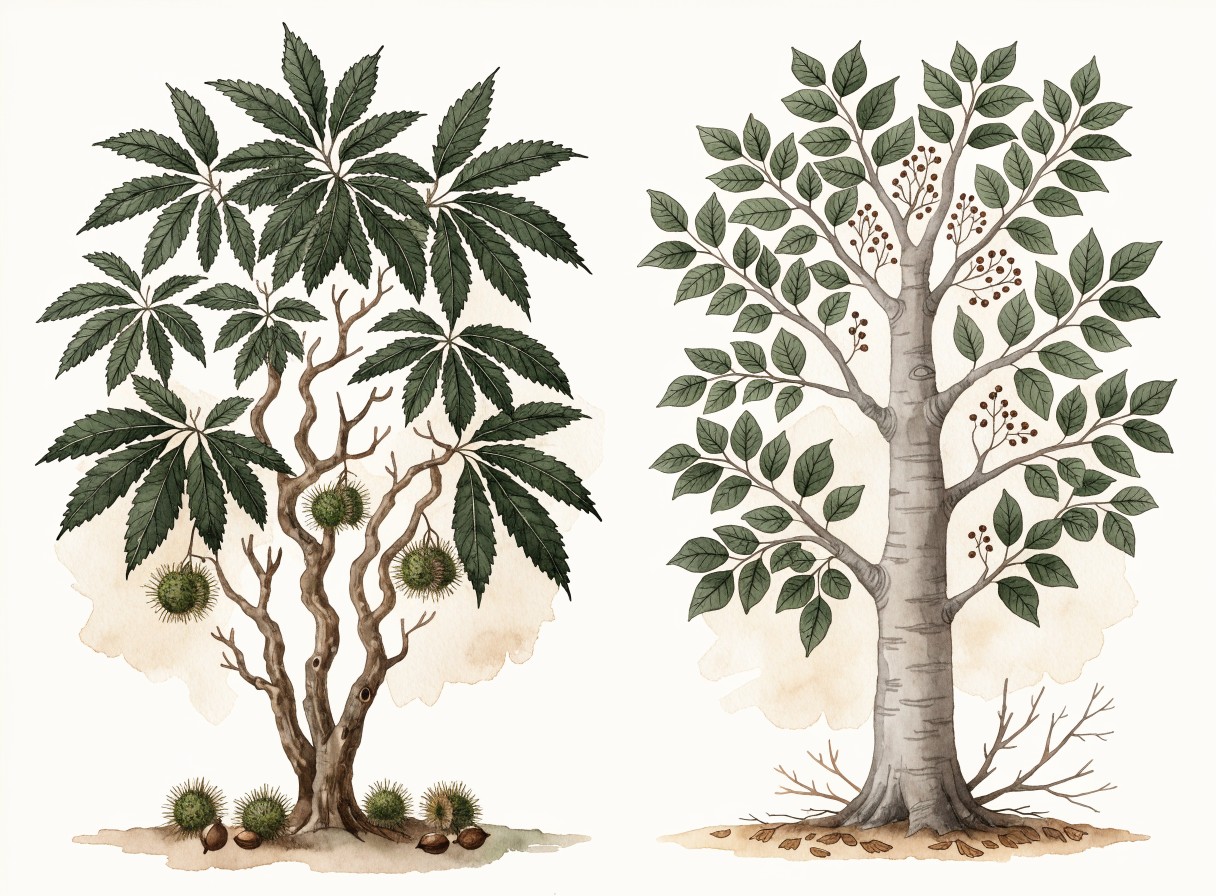
Found along the denser, more mature woodland paths. See more photos →
Wildflowers & planted flowers
Wild ones along the paths, planted ones in the park's flower beds.
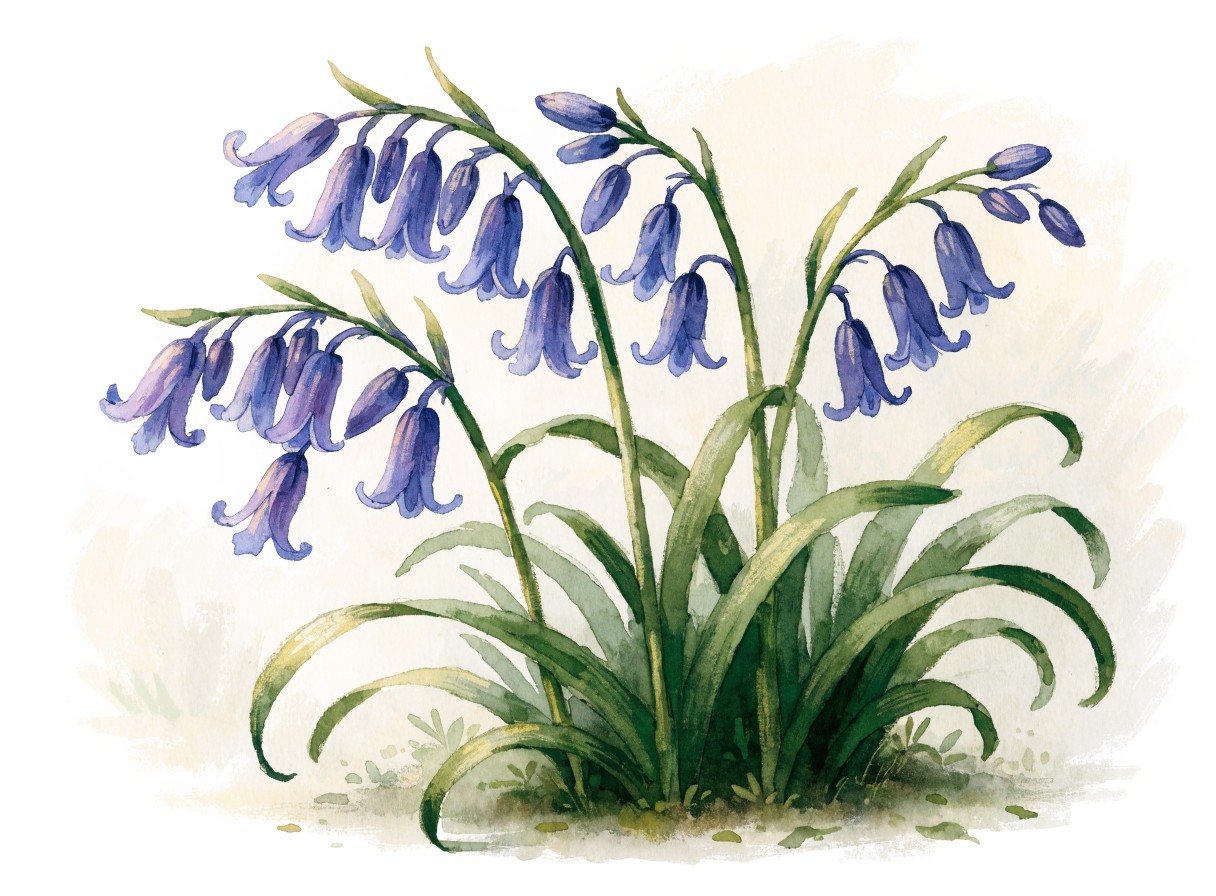
Carpets the shady woodland floor blue-purple in mid-spring. Please look, don't pick. See more photos →
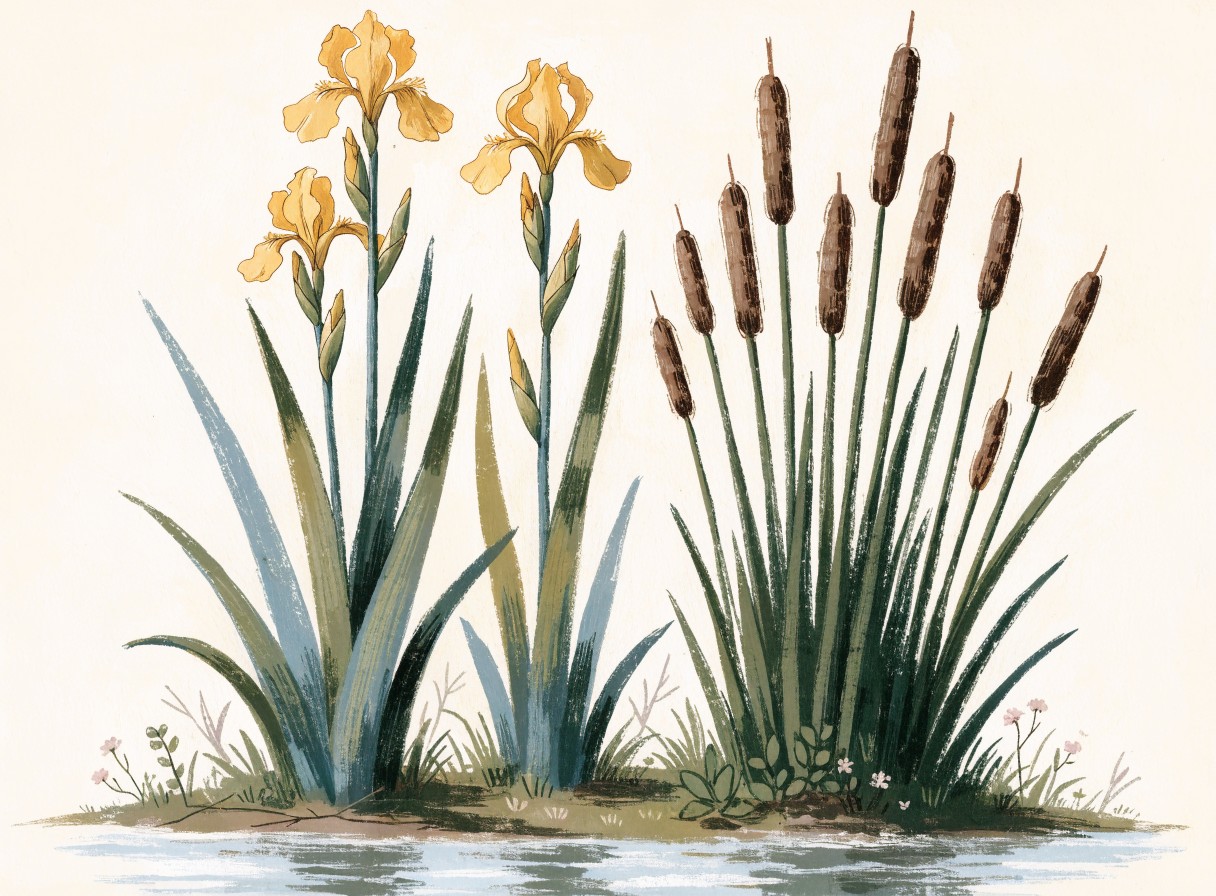
Grow along the water's margins, giving nesting birds somewhere to hide. See more photos →
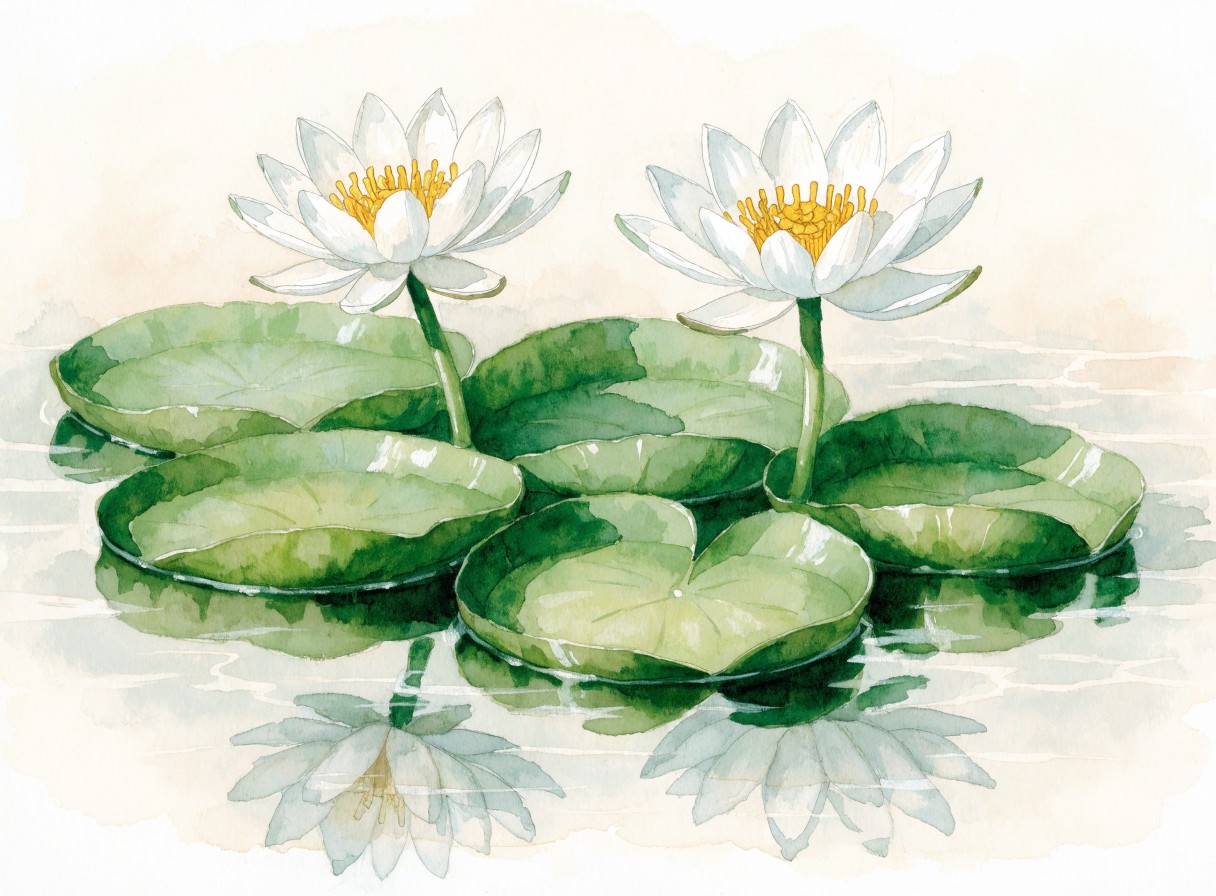
Spread across the calmer, quieter surface areas of the ornamental ponds. See more photos →
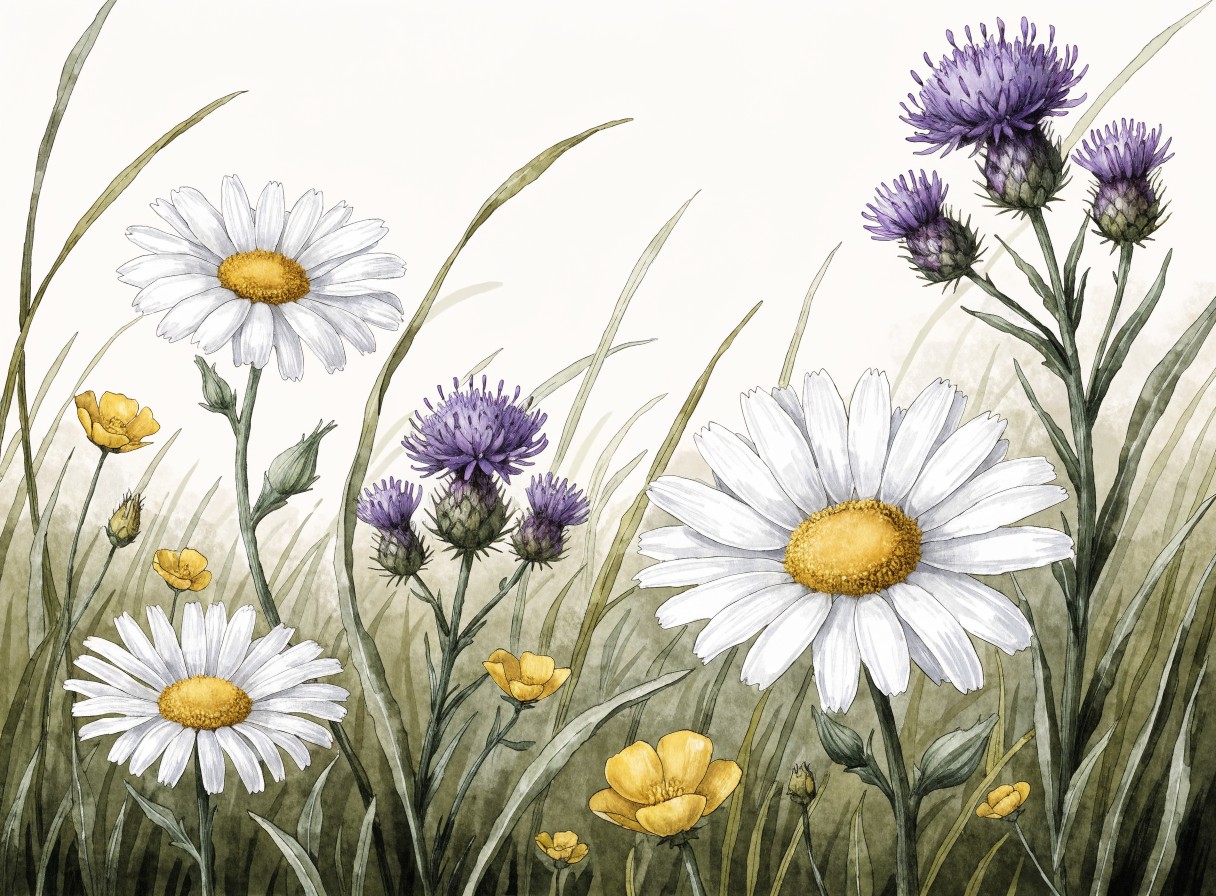
Sown fields of oxeye daisies, knapweed, and buttercups — best in summer. See more photos →
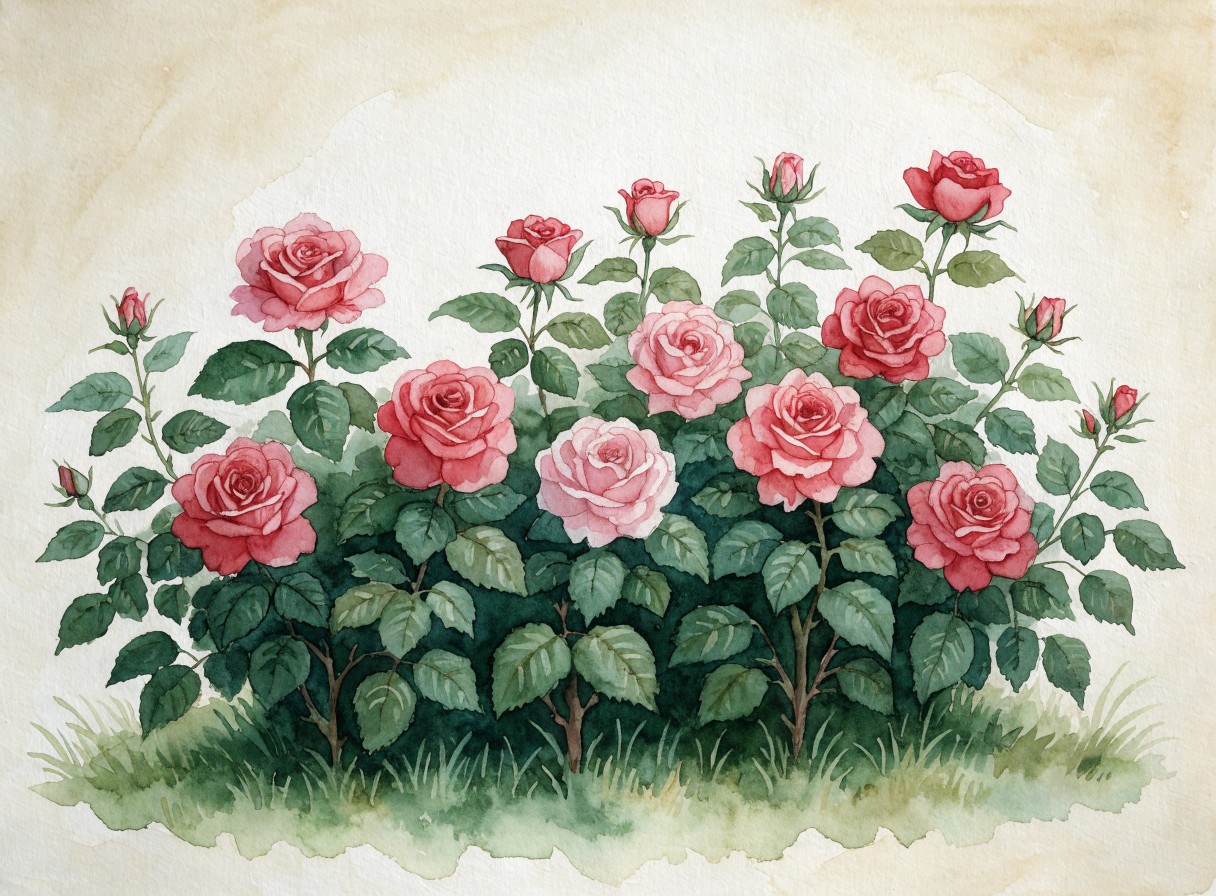
Meticulously kept beds near the historic mansion, in bloom right through summer. See more photos →
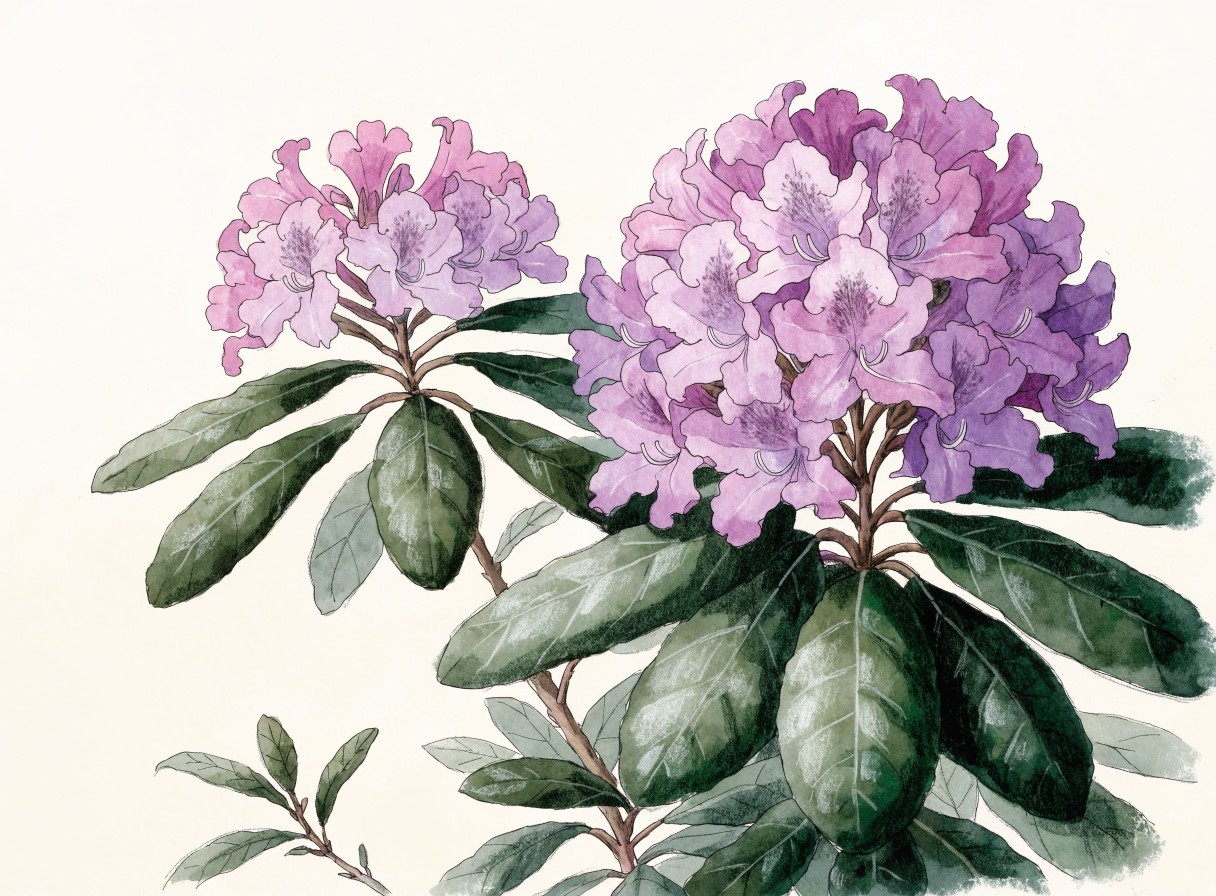
A large ornamental flowering shrub that gives dense, leafy cover. See more photos →
Insects & minibeasts
Small, easy to miss, and worth a closer look.
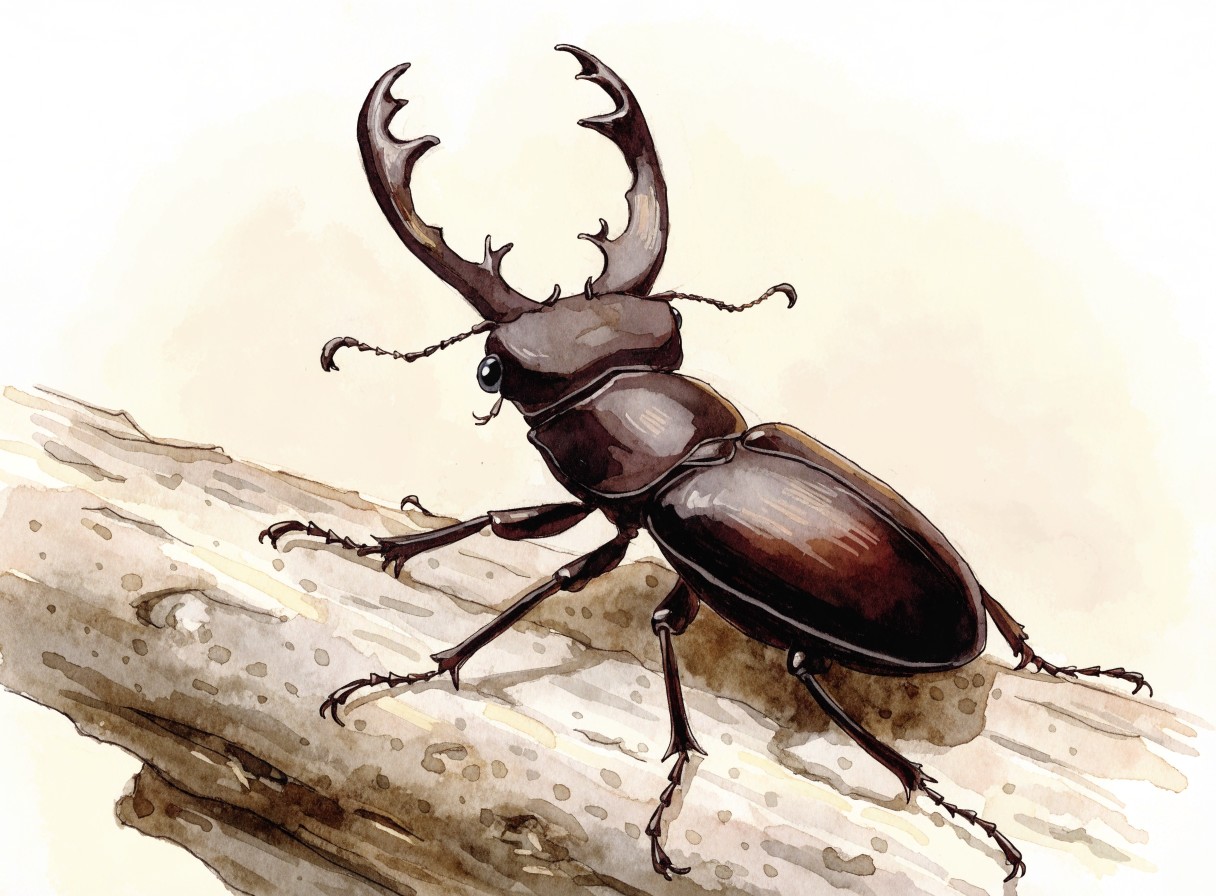
A globally threatened beetle that depends on the park's dead wood to survive. See more photos →
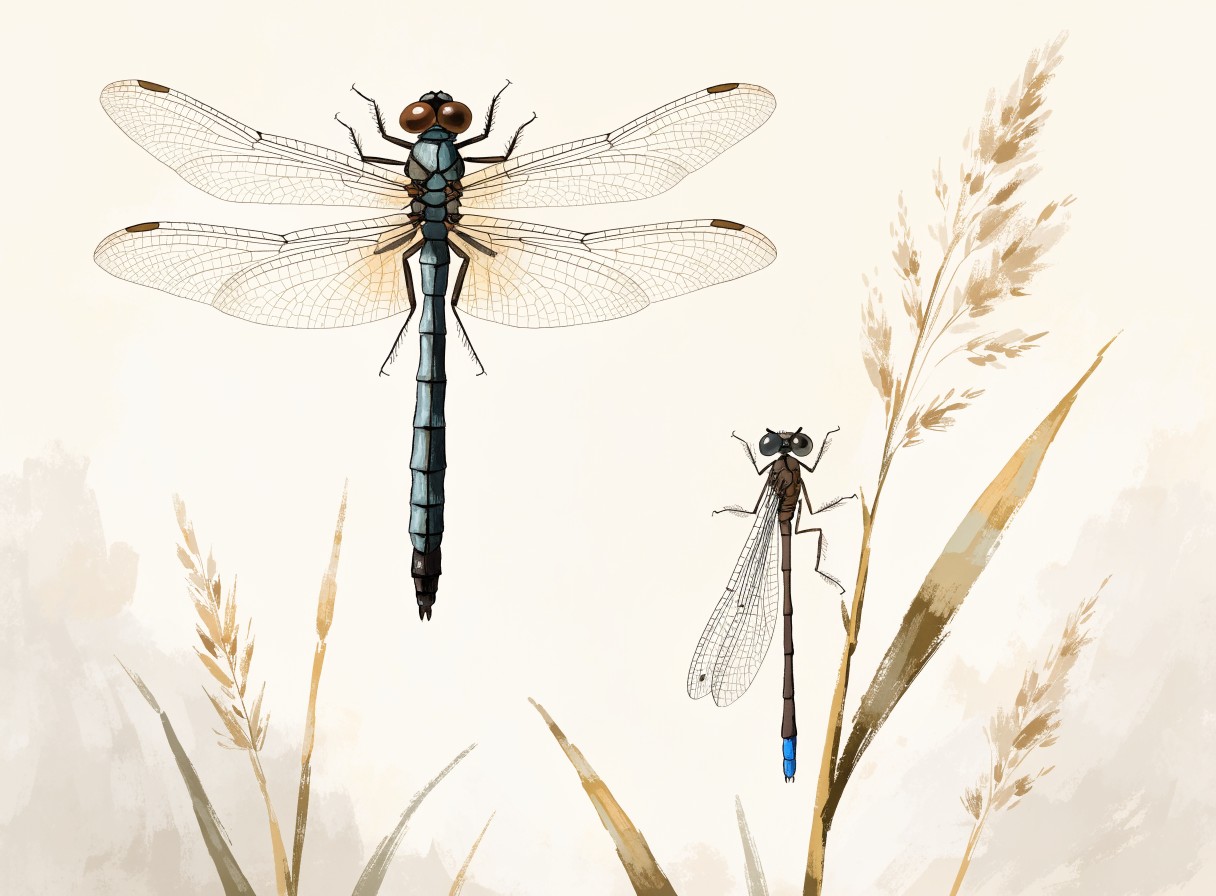
Includes Emperor dragonflies and Blue-tailed damselflies hovering over the water. See more photos →
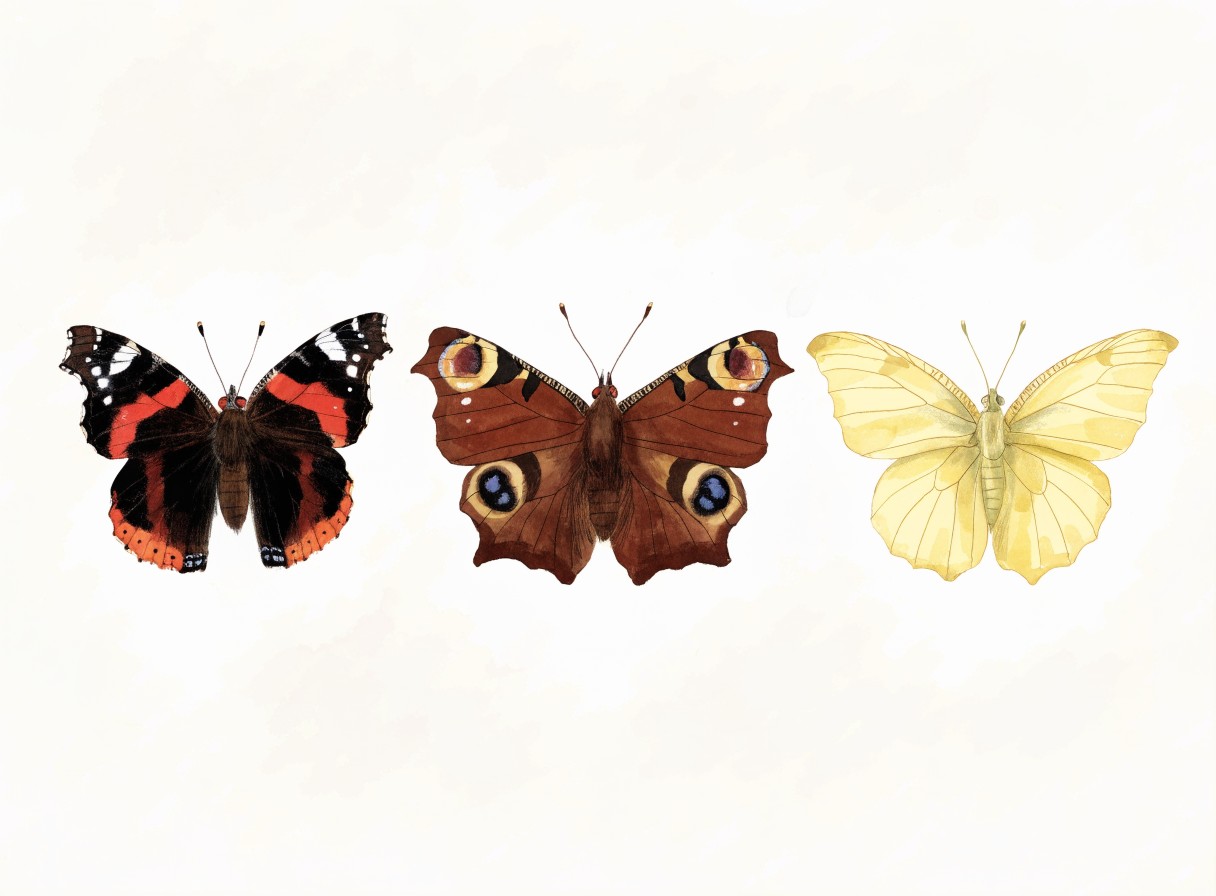
Red Admirals, Peacocks, and Brimstones are all regulars in the wildflower meadows. See more photos →
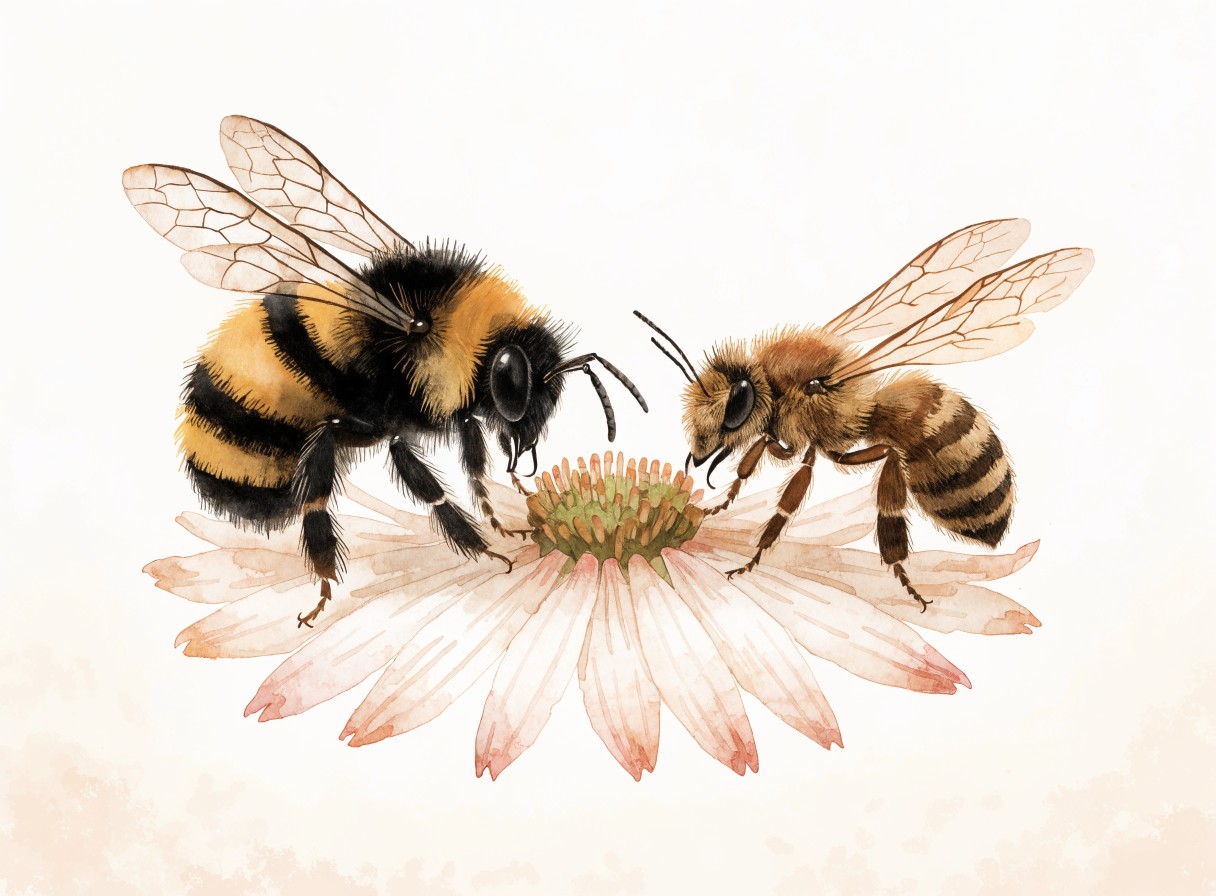
Highly active around the formal rose beds and the wild clover. See more photos →
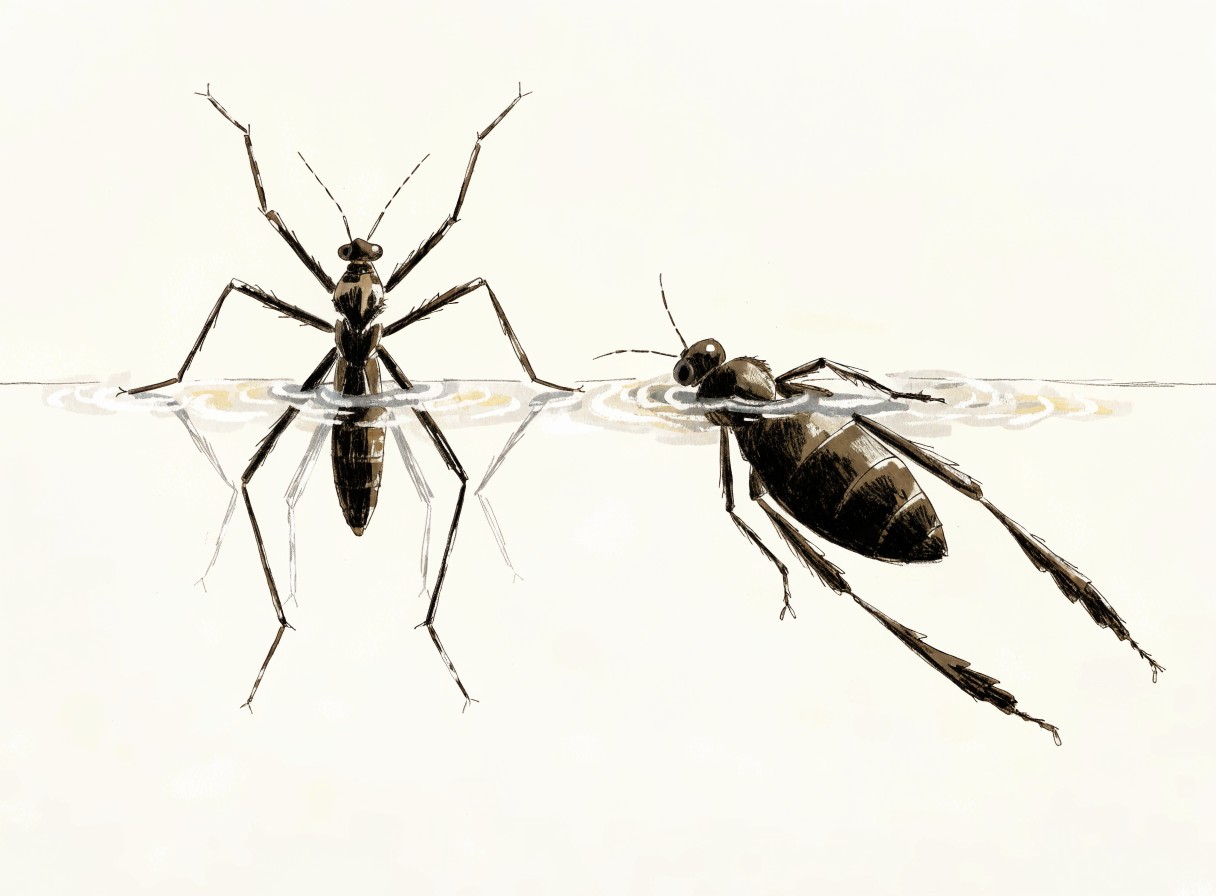
Watch the water's surface — both walk and row across it using surface tension. See more photos →
Leave what you find where you found it, so the next visitor can enjoy it too.